

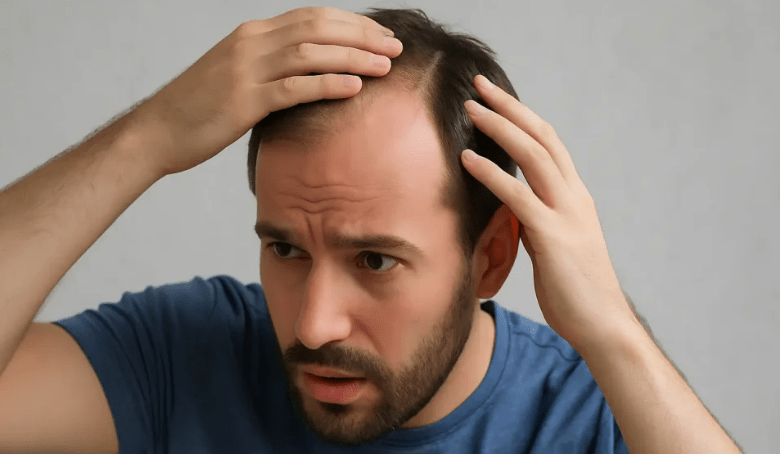
Hair fall and obesity are increasingly becoming common concerns among people of different age groups. What was once considered primarily an age-related issue is now being experienced by many young adults as well. At the same time, sedentary lifestyles, unhealthy eating habits, chronic stress, poor sleep, excessive screen time and lack of physical activity are contributing to rising rates of overweight and obesity.
These two problems may appear unrelated at first. Hair is mainly associated with appearance and confidence, while obesity is usually discussed in terms of body weight and physical health. However, both can be influenced by several overlapping factors, including nutrition, hormones, stress, sleep, metabolism and lifestyle.
The World Health Organization describes obesity as a chronic, relapsing disease influenced by genetics, eating behavior, physical activity, the environment and broader social factors. In 2022, 43% of adults worldwide were overweight and 16% were living with obesity.
The growing occurrence of hair fall and obesity should therefore encourage us to look beyond appearance. They can sometimes be signals that the body is experiencing nutritional, hormonal, metabolic or psychological stress.
The Changing Lifestyle of Today’s Generation
Modern life has brought enormous convenience. Food can be delivered within minutes, most professional work can be performed while sitting at a desk, entertainment is available continuously through smartphones, and many people spend several hours each day looking at screens.
However, convenience can also reduce physical activity.
Long working hours, irregular meals, frequent consumption of processed foods, sugary beverages, late-night screen use, inadequate sleep and limited outdoor activity can create an unhealthy routine. When these habits continue for months or years, they can affect body weight, metabolism, energy levels, sleep quality and overall well-being.
The problem is not necessarily one individual habit. Rather, it is the combination of several lifestyle factors.
A person who regularly sleeps late, skips breakfast, eats highly processed food, works at a desk for eight to ten hours, rarely exercises and experiences continuous stress may gradually experience changes in weight, energy, mood and physical appearance.
Hair health can also be affected because hair growth requires adequate energy and nutrients.
Why Is Obesity Increasing?
Obesity is not simply a matter of eating too much or having insufficient willpower. According to the WHO, obesity results from complex interactions involving genetics, eating behaviors, physical activity, food environments and socioeconomic factors.
Some of the lifestyle factors contributing to weight gain include:
- Excessive consumption of highly processed foods
- Frequent sugary drinks and high-calorie snacks
- Large portion sizes
- Lack of regular exercise
- Long periods of sitting
- Poor sleep
- Chronic stress
- Irregular eating patterns
- Excessive screen time
- Limited outdoor activities
Work culture has also changed significantly. Many jobs require employees to remain seated for long periods, while commuting and household activities may involve less physical effort than in previous generations.
This creates a situation where people may consume more energy than their bodies use over time, resulting in gradual weight gain.
How Obesity Can Affect Overall Health
Obesity is important from a health perspective because excess body fat can increase the risk of several chronic diseases.
The WHO identifies overweight and obesity as important risk factors for cardiovascular disease, type 2 diabetes, certain cancers and other noncommunicable diseases. Higher-than-optimal BMI was associated with an estimated 3.7 million deaths from noncommunicable diseases in 2021.
Excess weight may also affect:
1. Heart Health
Obesity is associated with increased cardiovascular risk. Over time, factors such as high blood pressure, abnormal cholesterol and insulin resistance can contribute to cardiovascular problems.
2. Metabolic Health
Excess body fat can be associated with insulin resistance and an increased risk of type 2 diabetes. Poor dietary habits and physical inactivity can further contribute to metabolic problems.
3. Sleep
Excess weight can contribute to sleep-related problems, including obstructive sleep apnea in some individuals. Poor sleep can then make healthy eating, exercise and weight management more difficult.
4. Mental Well-Being
Body-image concerns, social stigma, low self-esteem and chronic stress can affect psychological well-being. Importantly, obesity should not be treated as a moral failure. It is a complex health condition influenced by biological, environmental and social factors.
5. Quality of Life
Reduced physical fitness and mobility can make everyday activities more difficult. This may create a cycle in which reduced activity contributes to additional weight gain.
Why Is Hair Fall Becoming a Major Concern?
Hair shedding is normal. The American Academy of Dermatology notes that people commonly shed around 50–100 hairs a day, although the amount can vary. Excessive shedding, however, can occur when the body experiences significant physical or emotional stress.
Hair loss has many possible causes. Genetics, hormonal changes, medical conditions, nutritional deficiencies, medications, stress and certain hair-care practices can all contribute.
This is why it is important not to assume that every case of hair fall has the same cause.
A person experiencing excessive shedding should consider the broader picture: diet, stress, sleep, recent illness, weight changes, medications, family history and other health changes.
The Connection Between Weight Loss and Hair Fall
Interestingly, trying to lose weight can sometimes contribute to temporary hair shedding if the process is too rapid or involves severe dietary restriction.
Crash diets may dramatically reduce calorie and nutrient intake. If the body does not receive adequate protein, iron, zinc and other essential nutrients, hair growth can be affected.
Rapid weight loss and nutritional deficiencies have been associated with telogen effluvium, a type of excessive hair shedding that can appear several months after a triggering event.
This creates an important lesson: healthy weight management should not mean starving the body.
The goal should be gradual, sustainable improvement rather than extreme dieting.
Can Obesity and Hair Loss Be Connected?
There is growing scientific interest in the relationship between metabolic health, inflammation, hormones and hair biology.
A 2026 review of lifestyle factors and androgenetic alopecia discusses possible links between obesity-related metabolic changes, inflammation, oxidative stress and hair-follicle function. However, hair loss is multifactorial, and obesity should not be considered a universal or direct cause of hair loss.
In some people, metabolic and hormonal changes may contribute to hair problems. In others, genetics, thyroid conditions, nutritional deficiencies, stress or other medical factors may be much more important.
Therefore, treating hair fall requires identifying the underlying cause rather than simply treating the visible symptom.
Stress: The Hidden Factor Affecting Both Weight and Hair
One of the biggest challenges facing today’s generation is chronic stress.
Work pressure, financial concerns, academic competition, social media, career uncertainty, relationship problems and lack of work-life balance can place the body under continuous psychological stress.
Stress can influence eating behavior. Some people eat more when stressed, particularly foods high in sugar and fat. Others may skip meals or follow irregular eating patterns.
Stress can also affect hair.
The Cleveland Clinic explains that significant physical or emotional stress can shift hair follicles into a resting phase, leading to increased shedding later.
This means that someone may experience increased hair fall weeks or months after a particularly stressful period.
The connection between stress and hair is another reminder that physical appearance can sometimes reflect what is happening internally.
Sleep Is Another Important Piece of the Puzzle
Sleep is often sacrificed in modern lifestyles.
People may work late, scroll through social media at night, watch entertainment until early morning or maintain inconsistent sleeping schedules.
Poor sleep can make healthy lifestyle changes more difficult. When a person is tired, motivation to exercise may decrease, appetite regulation may become more difficult and reliance on convenient foods may increase.
Stress and poor sleep can also reinforce each other:
Stress → poor sleep → fatigue → less activity → unhealthy food choices → weight gain → more stress
Breaking this cycle requires improving several habits together rather than searching for one magical solution.
The Problem With Crash Diets
Social media has created enormous pressure to achieve a particular body shape quickly.
Before-and-after photographs, extreme workout challenges and restrictive diets can make people believe that losing weight rapidly is always better.
It isn’t.
A healthy approach should focus on sustainable nutrition, regular physical activity, adequate sleep and professional guidance when necessary.
Extreme calorie restriction can deprive the body of nutrients required for normal physiological functions, including healthy hair growth. Nutritional deficiencies and rapid weight loss are recognized triggers of excessive hair shedding.
Weight management should therefore be about improving health rather than simply reducing the number on a weighing scale.
Nutrition Matters for Both Weight and Hair
A balanced diet plays an important role in overall health.
A healthy eating pattern should generally provide sufficient:
- Protein
- Iron
- Zinc
- Healthy fats
- Vitamins and minerals
- Fiber
- Fruits and vegetables
- Whole grains or other nutrient-rich carbohydrates
- Adequate fluids
Protein is particularly important because hair is largely composed of a protein called keratin.
However, taking random hair supplements is not necessarily the answer. Hair loss can have many causes, and supplementation is most useful when an actual deficiency or medical indication exists.
Anyone experiencing persistent or significant hair loss should consider discussing it with a qualified healthcare professional rather than relying solely on internet remedies.
Exercise Is More Than a Weight-Loss Tool
Physical activity should not be viewed only as a way to burn calories.
Regular exercise can support cardiovascular fitness, muscle strength, mobility and metabolic health. It can also become an important part of a healthier daily routine.
People do not necessarily need an extreme gym routine.
Walking, cycling, swimming, strength training, yoga, sports or other enjoyable activities can all contribute to a more active lifestyle.
The most effective exercise routine is often the one a person can consistently maintain.
Small Lifestyle Changes Can Make a Big Difference
Improving health does not require changing everything overnight.
A sustainable approach could begin with simple habits:
Move more: Take regular breaks from prolonged sitting and incorporate walking or other enjoyable physical activity into the day.
Improve food quality: Gradually replace highly processed foods with more nutrient-dense options.
Prioritize protein and nutrients: Include appropriate sources of protein, vegetables, fruits, whole grains, legumes, nuts and other nutrient-rich foods.
Protect sleep: Establish a consistent sleep schedule and reduce unnecessary late-night screen exposure.
Manage stress: Meditation, breathing exercises, hobbies, exercise, social connection or professional support can help depending on the individual’s needs.
Avoid crash diets: Sustainable weight management is generally preferable to rapid, extreme weight loss.
Pay attention to symptoms: Persistent hair loss, unexplained weight changes, fatigue or other concerning symptoms deserve professional evaluation.
When Should You Consult a Doctor?
Hair fall should not always be dismissed as a cosmetic problem.
Professional evaluation may be appropriate when hair loss is sudden, severe, persistent, patchy or accompanied by other symptoms.
Similarly, obesity or unexplained weight gain may warrant medical evaluation, particularly when accompanied by symptoms such as significant fatigue, sleep problems, menstrual changes, metabolic abnormalities or other health concerns.
A healthcare professional may consider medical history, physical examination and appropriate investigations to determine whether an underlying condition, nutritional deficiency, hormonal issue or medication is contributing to the problem.
The Role of Social Media in Body Image
Another major issue affecting today’s generation is unrealistic beauty standards.
Social media frequently presents edited images, carefully selected photographs and dramatic transformation stories. This can create unrealistic expectations about what a healthy body or healthy hair should look like.
Health should not be measured solely by appearance.
A person can have a larger body and still be working toward better health. Another person may look slim but have poor nutrition, low fitness or an underlying health issue.
Similarly, having thick hair does not necessarily mean that every aspect of a person’s health is perfect.
The focus should shift from appearance alone to overall well-being.
Building a Healthier Generation
The solution to rising obesity and increasing concerns about hair health cannot come from one product, one diet or one social media trend.
It requires a broader change in how we approach health.
Families can encourage balanced eating and active lifestyles. Schools and workplaces can promote physical activity and health education. Individuals can develop sustainable daily habits. Healthcare professionals can identify risk factors early and provide evidence-based guidance.
Most importantly, society should move away from shame and toward education.
People need practical information about nutrition, exercise, sleep, stress management and preventive healthcare.
Conclusion
Hair fall and obesity may seem like separate problems, but both can be influenced by factors that are increasingly common in modern life: poor nutrition, stress, inadequate sleep, sedentary behavior, hormonal or metabolic changes and unhealthy lifestyle patterns.
At the same time, neither condition should be oversimplified. Hair loss has numerous possible causes, and obesity is a complex chronic disease influenced by biological, environmental and social factors.
The answer is not extreme dieting, miracle supplements or unrealistic fitness challenges.
The better approach is to build sustainable habits: eat a balanced diet, stay physically active, sleep adequately, manage stress, avoid extreme weight-loss methods and seek professional advice when symptoms persist.
Our hair, weight and appearance can certainly affect confidence—but they should also remind us to pay attention to what is happening beneath the surface.
The goal should not simply be to look healthier. The goal should be to actually become healthier.