

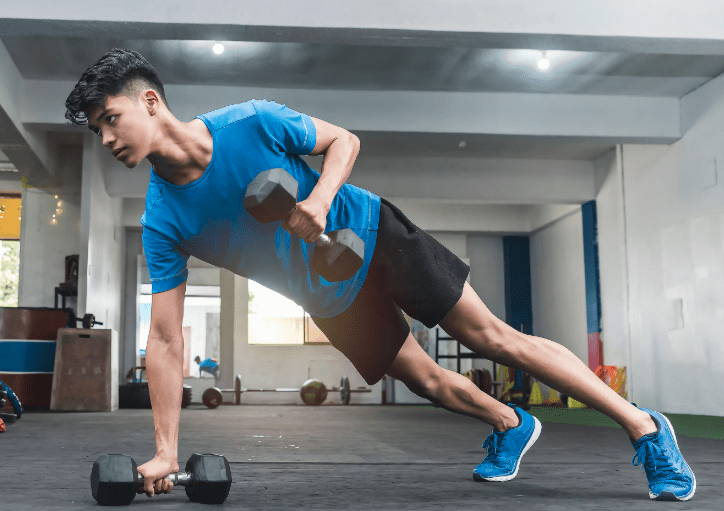
How the New Gen Z Generation Is Focusing on a Healthier and Fitter Lifestyle
Gen Z is often described as the first truly digital-native generation, growing up with smartphones, social media, on-demand entertainment, wearable technology, and instant access to information. But one of the most interesting changes taking place among this generation is happening beyond screens: Gen Z is increasingly making health, fitness, nutrition, mental well-being, and self-care an important part of everyday life.
For many young people, being healthy is no longer simply about losing weight or having an athletic body. The definition of fitness is becoming much broader. It includes getting enough sleep, eating nutritious food, staying physically active, managing stress, protecting mental health, tracking health data, taking breaks from screens, and finding a sustainable balance between work, social life, and personal well-being.
Research increasingly supports this shift. McKinsey’s 2025 Future of Wellness research found that younger consumers are prioritizing wellness more strongly than older generations, while Gen Z and millennials account for a disproportionately large share of wellness spending. The research also describes wellness among younger consumers as a daily, personalized practice rather than something reserved for occasional activities.
This represents a significant cultural shift. Instead of treating fitness as a temporary New Year’s resolution, many members of Gen Z are turning it into an identity, lifestyle, and long-term investment in themselves.
From “Looking Fit” to “Feeling Good”
One of the biggest changes in Gen Z’s approach to health is the evolution of what it means to be fit.
Previous generations often associated fitness primarily with appearance—losing weight, building muscle, or achieving a particular body shape. While appearance remains important, younger consumers increasingly connect fitness with energy, confidence, emotional health, productivity, sleep, and longevity.
McKinsey’s research found that 56% of US Gen Z respondents considered fitness a “very high priority,” compared with 40% of consumers overall.
This suggests that fitness is becoming more deeply integrated into everyday identity.
A young professional may go to the gym not simply to change their appearance but because exercise helps them:
- Feel more energetic
- Reduce stress
- Improve concentration
- Sleep better
- Build confidence
- Socialize
- Maintain physical strength
- Create structure in their day
The result is a much more holistic approach to health.
Fitness Is Becoming a Lifestyle
For Gen Z, fitness is increasingly moving beyond the traditional gym.
Young people are experimenting with different forms of physical activity, including:
- Strength training
- Running
- Cycling
- Yoga
- Pilates
- Swimming
- Walking
- Hiking
- Dance workouts
- Functional training
- Sports
- Home workouts
- Group fitness classes
This variety is important because Gen Z tends to value personalization.
Instead of believing there is one “correct” way to exercise, many young consumers are looking for activities that fit their personality, schedule, goals, and lifestyle.
A person who dislikes traditional weightlifting may choose Pilates. Someone who finds gyms intimidating may start walking or running. Another person may combine strength training with yoga and weekend sports.
The underlying philosophy is increasingly simple:
Find movement you enjoy—and make it sustainable.
Social Media Is Changing the Fitness Journey
Social media has become one of the strongest influences on how Gen Z discovers health and wellness information.
Instagram, YouTube, TikTok and other platforms provide young people with constant exposure to:
- Workout routines
- Healthy recipes
- Fitness challenges
- Nutrition education
- Wellness influencers
- Running communities
- Gym content
- Mental health discussions
- Sleep advice
- Self-care routines
- Health-tracking ideas
McKinsey research on Gen Z healthcare behavior found that social media is a major source of health information for younger consumers, with health-related content covering subjects ranging from healthy lifestyles to mental health.
This has created a new generation of digital wellness communities.
Someone can start running alone but quickly become part of a global community of runners. Someone learning strength training can follow professional trainers, physiotherapists, nutrition experts, and athletes from around the world.
Social media has therefore made fitness more accessible.
However, it also comes with a major challenge: not everything online is scientifically accurate.
Influencers may promote extreme diets, unnecessary supplements, unrealistic workout programs, or misleading health claims. Gen Z’s growing interest in wellness therefore needs to be accompanied by better health literacy and the ability to distinguish evidence-based information from marketing.
Wearable Technology Is Becoming a Personal Health Assistant
Technology is playing a major role in the new fitness culture.
Smartwatches, fitness trackers, smart rings and mobile applications allow people to monitor:
- Steps
- Heart rate
- Calories
- Exercise sessions
- Sleep duration
- Sleep patterns
- Activity levels
- Workout intensity
- Recovery
- Other health-related metrics
This creates a data-driven approach to wellness.
Instead of simply saying, “I think I am sleeping badly,” a person can examine their sleep patterns.
Instead of guessing whether they are active enough, they can track daily movement.
Instead of relying entirely on motivation, they can create measurable goals.
NIQ’s 2025 Global State of Health & Wellness research highlighted wearable technology as one of the factors influencing health and wellness spending behavior.
This represents a larger trend toward quantified wellness—using technology and personal data to understand and improve everyday health behaviors.
Gen Z Is Paying More Attention to Nutrition
Exercise is only one part of the new wellness mindset.
Nutrition is becoming equally important.
Gen Z consumers are increasingly interested in understanding what they put into their bodies. Rather than simply counting calories, many are paying attention to:
- Protein
- Fiber
- Fruits and vegetables
- Whole foods
- Hydration
- Gut health
- Sugar intake
- Processed foods
- Nutrient density
- Balanced meals
McKinsey’s 2025 research found strong interest among younger consumers in functional nutrition products, with approximately two-thirds of Gen Z and millennials surveyed in the US, UK and Germany reporting purchases of functional-nutrition products in the previous year.
The idea of “food as fuel” is becoming increasingly popular.
Young consumers are beginning to recognize that nutrition affects much more than body weight. Food choices can influence energy, concentration, athletic performance, digestion, mood, and long-term health.
Protein Has Become a Major Part of Fitness Culture
Protein has become one of the most visible nutrition trends among young fitness consumers.
Gym-goers are increasingly aware of the relationship between protein intake and muscle recovery. This has contributed to growing interest in:
- Eggs
- Milk
- Yogurt
- Paneer
- Chicken
- Fish
- Lentils
- Beans
- Soy products
- Protein-rich snacks
- Protein beverages
For many young people, protein is no longer associated only with professional athletes or bodybuilders.
It has become part of mainstream fitness culture.
However, this trend also demonstrates why education is important. Not everyone needs the same amount of protein, and supplements are not automatically necessary. A balanced diet should remain the foundation of healthy living.
Gut Health Is Entering the Mainstream
Another important wellness trend among Gen Z is growing interest in gut health.
Consumers are paying more attention to digestion, fiber, fermented foods and probiotics.
McKinsey reports that more than 80% of consumers surveyed in China, the UK and the US considered gut health important, demonstrating how quickly digestive health has moved into mainstream wellness conversations.
Young consumers increasingly understand that health is interconnected.
They are asking questions such as:
What am I eating?
How does it affect my digestion?
How does my sleep affect my energy?
How does exercise affect my mental health?
How does stress affect my body?
This interconnected perspective is one of the defining characteristics of modern wellness.
Mental Health Is Part of Fitness
Perhaps the most important transformation is that Gen Z increasingly recognizes that mental health and physical health cannot be separated.
Exercise is often viewed as a way to support emotional well-being rather than simply physical appearance.
Young people are discussing:
- Stress
- Anxiety
- Burnout
- Sleep
- Work-life balance
- Therapy
- Meditation
- Mindfulness
- Social connection
- Emotional resilience
Recent research from McKinsey found that Gen Z reports significant unmet needs around mental, cognitive, heart and gut health, while younger consumers also report higher levels of stress than older groups.
This is helping redefine the meaning of wellness.
A healthy lifestyle is not just:
Workout + Diet
It is increasingly:
Exercise + Nutrition + Sleep + Mental Health + Recovery + Social Connection
Sleep Is Becoming a Fitness Goal
Sleep was once treated as something that happened after everything else was finished.
That mindset is changing.
Gen Z is increasingly learning that recovery is just as important as training.
Good sleep can support:
- Recovery
- Concentration
- Mood
- Energy
- Exercise performance
- Daily productivity
- General well-being
McKinsey identifies sleep as one of the highest health and wellness priorities and one of the areas where consumers report significant unmet needs.
Wearables have also made sleep more visible.
People can now see approximate sleep duration and patterns, encouraging them to think about bedtime routines, screen exposure, caffeine consumption and recovery.
The message is becoming clear:
You cannot out-train poor recovery forever.
The Rise of Walking
One of the simplest fitness trends gaining popularity is also one of the oldest: walking.
Walking has become particularly attractive because it is:
- Free or inexpensive
- Accessible
- Low impact
- Easy to schedule
- Suitable for many fitness levels
- Compatible with socializing
- Easy to track through smartphones and watches
The popularity of step-count goals has transformed something as simple as walking into a measurable daily fitness habit.
Instead of believing that fitness requires an expensive gym membership, Gen Z is increasingly embracing the idea that everyday movement matters.
Fitness Communities Are Becoming More Social
Gen Z also appears to value the community aspect of fitness.
Running clubs, group classes, sports communities, cycling groups, hiking communities and online fitness groups can turn exercise into a social activity.
This is important because motivation can be difficult when people exercise alone.
Community creates accountability.
If someone knows their friends are waiting for them at a running club, they are more likely to show up.
This also makes fitness more enjoyable.
The gym is no longer necessarily a solitary place where someone completes a workout and leaves. It can become a social environment where people build friendships and communities.
The Workplace Is Also Being Redefined
Gen Z’s focus on health extends into professional life.
Young employees increasingly care about work-life balance, flexibility, meaningful work and well-being.
Deloitte’s 2025 Gen Z and Millennial Survey found that Gen Z and millennials in India, like their global peers, place importance on work-life balance, learning and development, meaningful work and well-being.
This has implications for employers.
Companies that expect employees to sacrifice health for productivity may struggle to attract and retain younger workers.
Instead, businesses are increasingly exploring:
- Flexible working
- Wellness programs
- Mental health resources
- Fitness benefits
- Healthy workplace environments
- Time-off policies
- Employee assistance programs
For Gen Z, productivity and well-being do not necessarily have to be opposites.
Fitness Is Becoming More Personalized
Gen Z is also moving away from the idea of one-size-fits-all health advice.
Technology allows people to personalize their routines based on:
- Fitness goals
- Schedule
- Activity level
- Dietary preferences
- Sleep patterns
- Training experience
- Personal interests
AI could accelerate this trend even further.
AI-powered applications can potentially help users create workout routines, analyze exercise patterns, suggest meal ideas, track progress and provide personalized reminders.
The future of fitness may therefore look less like:
“Everyone follow the same workout.”
And more like:
“Here is a plan adapted to you.”
But the Wellness Revolution Has a Dark Side
The growing focus on health is positive, but it is not without risks.
Social media can create unrealistic expectations.
Perfect bodies, six-pack transformations, expensive wellness routines and heavily edited photographs can make young people feel that they are never fit enough.
This can lead to:
- Obsessive exercise
- Unhealthy dieting
- Excessive calorie restriction
- Body-image anxiety
- Supplement misuse
- Constant comparison
- Fitness burnout
There is a difference between healthy discipline and unhealthy obsession.
A sustainable lifestyle should make people feel stronger, healthier and more confident—not constantly inadequate.
Gen Z Wants Science-Backed Wellness
Interestingly, the modern wellness consumer is also becoming more skeptical.
Consumers increasingly want evidence behind health claims.
NIQ’s 2025 research reported that 62% of consumers globally were skeptical of health claims made by food companies, while 82% wanted greater transparency in product labeling.
This is especially important in an environment where social media can rapidly spread misinformation.
The next generation of successful health and fitness brands will therefore need to provide:
- Transparent ingredients
- Clear nutritional information
- Evidence-based claims
- Qualified experts
- Honest marketing
- Responsible communication
Trust will become one of the most valuable assets in the wellness industry.
India’s Gen Z Is Joining the Movement
The trend is particularly interesting in India.
Indian Gen Z is growing up during a period of rapid digital transformation, expanding fitness culture and increasing access to health information.
Fitness content on Instagram, YouTube and other platforms has introduced young Indians to global trends such as:
- Strength training
- Running
- Pilates
- Yoga
- Functional fitness
- Sports nutrition
- Mindfulness
- Meal preparation
- Wearable tracking
Recent reporting on India’s Gen Z describes fitness as increasingly becoming part of everyday identity, with young people combining exercise, digital tools, wearables and social motivation.
At the same time, India’s traditional wellness practices—particularly yoga, meditation and diverse food traditions—provide a unique foundation.
This creates an interesting combination:
Ancient wellness practices + modern fitness science + digital technology.
The Future of Fitness Will Be Digital and Physical
Gen Z is not choosing between technology and physical activity.
It is combining the two.
A typical future fitness routine might involve:
Smartwatch → AI workout plan → Gym session → Nutrition tracking → Protein-rich meal → Sleep tracking → Recovery analysis
Technology becomes the layer connecting different aspects of wellness.
This is creating opportunities for businesses in:
- Fitness applications
- Wearable devices
- Health platforms
- Nutrition products
- Functional foods
- Fitness equipment
- Wellness travel
- Mental wellness platforms
- Personalized coaching
- AI-powered health technology
The global wellness economy is expanding as wellness becomes increasingly integrated into everyday lifestyles, with younger consumers playing a particularly influential role.
What Businesses Can Learn From Gen Z
The Gen Z wellness movement offers important lessons for brands.
1. Wellness Is No Longer a Niche
Health and wellness are becoming mainstream lifestyle categories.
2. Personalization Matters
Young consumers want solutions that fit their individual lifestyles.
3. Community Creates Loyalty
People are more likely to stay engaged when fitness becomes social.
4. Authenticity Is Important
Gen Z is highly exposed to influencer marketing and can quickly identify content that feels overly commercial.
5. Technology Is an Enabler
Apps, AI and wearables can make healthy behaviors easier to track and personalize.
6. Mental Health Must Be Included
A fitness brand that ignores mental well-being may increasingly feel incomplete.
7. Education Builds Trust
Science-backed information can differentiate responsible wellness companies from unreliable trend-driven businesses.
The New Definition of a Healthy Lifestyle
The most important change may be that Gen Z is gradually redefining what “healthy” means.
Healthy does not necessarily mean eating perfectly every day.
It does not mean spending hours in the gym.
It does not mean having a perfect body.
It does not mean following every wellness trend.
Instead, a sustainable healthy lifestyle can mean:
Eating balanced meals.
Moving regularly.
Getting enough sleep.
Managing stress.
Maintaining meaningful relationships.
Taking care of mental health.
Understanding your body.
Using technology wisely.
Enjoying life without guilt.
This is a much more realistic and sustainable approach to wellness.
Conclusion
Gen Z is helping create a new era of health and fitness—one where wellness is becoming part of everyday identity rather than an occasional goal.
From gyms and running clubs to wearable technology, healthy food, sleep tracking, mental-health awareness and personalized fitness apps, young people are approaching wellness from multiple directions.
The shift is particularly significant because Gen Z does not necessarily view health as a single destination. Instead, wellness is becoming a continuous lifestyle journey.
The most successful approach will not be extreme diets, exhausting workouts or unrealistic social-media transformations. It will be consistency, balance, personalization and informed decision-making.
For businesses, the message is equally powerful: the next generation of consumers does not simply want products that make them look healthier. They want solutions that help them feel better, perform better, live better and understand themselves better.
The future of fitness is therefore likely to be more connected, more personalized and more holistic.
And perhaps the biggest lesson from Gen Z’s wellness movement is simple:
Being fit is no longer just about how you look. It is about how you live.