

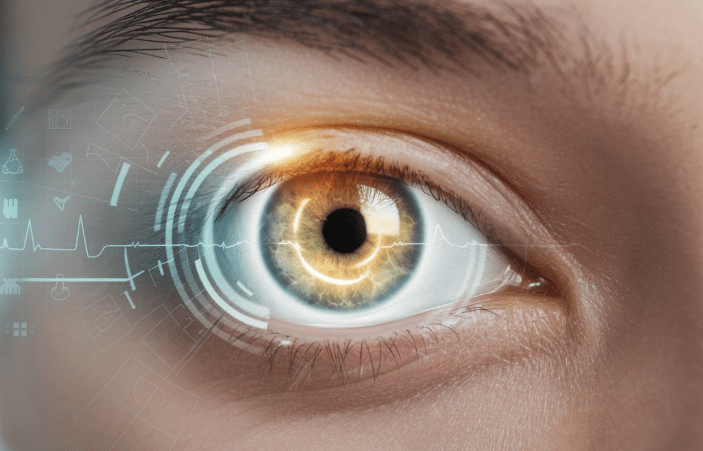
Eye Diseases and Their Cures: A Complete Guide to Protecting Your Vision
Introduction
Our eyes are among the most valuable organs in the human body, allowing us to experience the world through sight. However, modern lifestyles, increased screen time, aging, poor nutrition, environmental pollution, and various medical conditions have significantly increased the prevalence of eye diseases worldwide. While some eye disorders are temporary and easily treatable, others can lead to permanent vision loss if left undiagnosed.
The good news is that advances in ophthalmology have made it possible to diagnose, treat, and even prevent many eye diseases. Regular eye examinations, early detection, and proper treatment play a crucial role in maintaining healthy vision throughout life.
This comprehensive guide explores the most common eye diseases, their symptoms, causes, treatments, preventive measures, and lifestyle tips to help preserve your eyesight.
Why Eye Health Matters
Vision contributes to nearly every aspect of daily life—from reading and driving to working and enjoying hobbies. Healthy eyes support learning, productivity, independence, and overall quality of life.
According to global health organizations, millions of people suffer from preventable vision impairment each year due to delayed diagnosis or inadequate treatment. Regular eye care can dramatically reduce these risks.
Common Eye Diseases
1. Cataracts
What Are Cataracts?
A cataract occurs when the natural lens of the eye becomes cloudy, preventing light from reaching the retina properly. Cataracts are one of the leading causes of blindness worldwide but are highly treatable.
Causes
- Aging
- Diabetes
- Smoking
- Long-term steroid use
- Eye injuries
- Excessive UV exposure
- Genetic factors
Symptoms
- Blurry vision
- Difficulty seeing at night
- Increased sensitivity to light
- Faded colors
- Double vision in one eye
- Frequent changes in eyeglass prescription
Treatment
Early cataracts may be managed with stronger eyeglasses and brighter lighting. Advanced cataracts are treated through cataract surgery, where the cloudy lens is replaced with an artificial intraocular lens (IOL). Modern cataract surgery has a high success rate and often restores excellent vision.
2. Glaucoma
What Is Glaucoma?
Glaucoma refers to a group of diseases that damage the optic nerve, often due to increased pressure inside the eye. It is known as the “silent thief of sight” because vision loss often occurs gradually without noticeable symptoms.
Risk Factors
- Age over 60
- Family history
- Diabetes
- High eye pressure
- High blood pressure
- African or Asian ancestry (certain types)
Symptoms
Open-angle glaucoma:
- Usually no early symptoms
- Gradual peripheral vision loss
Angle-closure glaucoma:
- Severe eye pain
- Blurred vision
- Headache
- Nausea
- Halos around lights
- Medical emergency
Treatment
- Prescription eye drops
- Oral medications
- Laser therapy
- Minimally invasive glaucoma surgery
- Traditional glaucoma surgery
Although vision already lost cannot usually be restored, treatment can help prevent further damage.
3. Age-Related Macular Degeneration (AMD)
What Is AMD?
AMD affects the macula, the central part of the retina responsible for detailed vision. It mainly affects older adults.
Types
- Dry AMD
- Wet AMD
Symptoms
- Blurred central vision
- Difficulty reading
- Distorted straight lines
- Trouble recognizing faces
- Dark spots in central vision
Treatment
Dry AMD:
- Nutritional supplements (when appropriate)
- Healthy diet
- Lifestyle modifications
Wet AMD:
- Anti-VEGF injections
- Laser treatment in selected cases
- Ongoing monitoring
4. Diabetic Retinopathy
Overview
High blood sugar damages retinal blood vessels, leading to diabetic retinopathy.
Risk Factors
- Poorly controlled diabetes
- High blood pressure
- High cholesterol
- Pregnancy
- Long duration of diabetes
Symptoms
- Floaters
- Blurred vision
- Dark spots
- Vision fluctuations
- Vision loss
Treatment
- Strict blood sugar control
- Laser photocoagulation
- Anti-VEGF injections
- Steroid injections
- Vitrectomy surgery for advanced disease
Annual retinal examinations are essential for people with diabetes.
5. Dry Eye Disease
What Is Dry Eye?
Dry eye occurs when the eyes do not produce enough tears or when tears evaporate too quickly.
Causes
- Screen overuse
- Aging
- Air conditioning
- Contact lenses
- Autoimmune disorders
- Certain medications
Symptoms
- Burning sensation
- Redness
- Grittiness
- Excessive tearing
- Blurred vision
- Eye fatigue
Treatment
- Artificial tears
- Prescription eye drops
- Warm compresses
- Improved eyelid hygiene
- Humidifiers
- Taking regular screen breaks
6. Conjunctivitis (Pink Eye)
Overview
Conjunctivitis is inflammation of the conjunctiva.
Types
- Viral
- Bacterial
- Allergic
Symptoms
- Red eyes
- Itching
- Discharge
- Swelling
- Watering
Treatment
- Viral: Usually resolves with supportive care.
- Bacterial: Antibiotic drops may be prescribed.
- Allergic: Allergy medications and avoiding triggers.
Good hygiene helps prevent spread.
7. Refractive Errors
These are among the most common vision problems.
Types
- Nearsightedness (Myopia)
- Farsightedness (Hyperopia)
- Astigmatism
- Presbyopia
Symptoms
- Blurry vision
- Headaches
- Eye strain
- Difficulty reading
- Trouble seeing distant objects
Treatment
- Eyeglasses
- Contact lenses
- Laser vision correction (for suitable candidates)
- Lens replacement surgery in selected cases
8. Retinal Detachment
Overview
A retinal detachment occurs when the retina separates from the underlying tissue. This is a medical emergency.
Symptoms
- Sudden floaters
- Bright flashes
- Curtain-like shadow
- Sudden vision loss
Treatment
Immediate treatment may include laser therapy, cryotherapy, pneumatic retinopexy, scleral buckle surgery, or vitrectomy. Prompt care greatly improves the chance of preserving vision.
9. Eye Allergies
Eye allergies occur when the eyes react to allergens such as pollen, dust, mold, or pet dander.
Symptoms
- Itching
- Watering
- Redness
- Puffy eyelids
Treatment
- Antihistamine eye drops
- Cold compresses
- Artificial tears
- Avoiding allergens
10. Eye Infections
Eye infections may be caused by bacteria, viruses, fungi, or parasites.
Symptoms
- Pain
- Redness
- Swelling
- Discharge
- Blurred vision
- Light sensitivity
Treatment
Treatment depends on the cause and may include antibiotic, antiviral, antifungal, or antiparasitic medications. Prompt evaluation is important to prevent complications.
Foods That Promote Eye Health
A balanced diet supports healthy vision.
Beneficial nutrients include:
- Vitamin A
- Vitamin C
- Vitamin E
- Zinc
- Omega-3 fatty acids
- Lutein
- Zeaxanthin
Healthy food choices include:
- Carrots
- Spinach
- Kale
- Broccoli
- Bell peppers
- Citrus fruits
- Blueberries
- Salmon
- Sardines
- Eggs
- Nuts
- Seeds
Lifestyle Tips for Healthy Eyes
Protect your vision by adopting healthy habits:
- Wear UV-protective sunglasses outdoors.
- Use protective eyewear during sports or hazardous work.
- Follow the 20-20-20 rule during screen use (every 20 minutes, look at something about 20 feet away for 20 seconds).
- Avoid smoking.
- Control diabetes and blood pressure.
- Stay physically active.
- Maintain a healthy weight.
- Get adequate sleep.
- Practice good contact lens hygiene.
- Schedule regular comprehensive eye examinations.
Warning Signs That Require Immediate Medical Attention
Seek urgent medical care if you experience:
- Sudden vision loss
- Severe eye pain
- Flashing lights
- Numerous new floaters
- Eye injury
- Chemical exposure
- Double vision
- Sudden swelling with pain
- A curtain or shadow over your vision
Prompt treatment can be critical in preserving eyesight.
Advances in Eye Care
Modern ophthalmology offers innovative technologies that improve diagnosis and treatment, including:
- Optical Coherence Tomography (OCT)
- AI-assisted retinal screening
- Laser-assisted cataract surgery
- Advanced intraocular lenses
- Anti-VEGF therapy
- Minimally invasive glaucoma surgery (MIGS)
- Corneal cross-linking for certain corneal disorders
- Teleophthalmology services in some regions
These advances have improved outcomes for many patients and continue to evolve.
Can Eye Diseases Be Prevented?
Not all eye diseases are preventable, but many risks can be reduced through healthy habits and regular care.
Prevention strategies include:
- Annual comprehensive eye exams (or as recommended by your eye care professional)
- Healthy diet rich in fruits and vegetables
- Regular exercise
- Blood sugar and blood pressure control
- UV eye protection
- Avoiding tobacco use
- Managing screen time
- Early treatment of eye symptoms
Conclusion
Healthy vision is essential for living an active and fulfilling life. While eye diseases such as cataracts, glaucoma, diabetic retinopathy, macular degeneration, dry eye disease, and retinal disorders can affect people of all ages, many are treatable—especially when detected early.
Regular eye examinations, a nutritious diet, healthy lifestyle choices, and prompt medical attention for concerning symptoms are the best ways to protect your eyesight. If you notice changes in your vision, persistent eye discomfort, or other unusual symptoms, consult a qualified eye care professional without delay. Early diagnosis and timely treatment can make a significant difference in preserving vision and maintaining long-term eye health.