

Increasing Hair Fall in Youth: Understanding the Causes, Impact, and What Can Be Done
Hair fall is no longer a concern associated only with middle age. An increasing number of young people are experiencing excessive hair shedding, thinning hair, receding hairlines, and visible scalp at a much earlier stage of life. From college students and young professionals to entrepreneurs and social-media creators, hair loss has become a growing concern among today’s youth. While losing some hair every day is completely normal, noticeable and persistent hair fall can indicate that something is affecting the normal hair-growth cycle.
The rising prevalence of hair fall among young people cannot be attributed to one single reason. Modern lifestyles have introduced a combination of factors that can influence hair health, including chronic stress, inadequate nutrition, irregular sleep, hormonal changes, excessive styling, harsh hair treatments, certain illnesses, medications, and genetic predisposition. In addition, many young people follow restrictive diets or rely heavily on processed foods, which can make it difficult to obtain adequate amounts of protein, iron, zinc, vitamin D, and other nutrients important for healthy hair.
Why Is Hair Fall Increasing Among Young People?
Hair growth is a continuous biological process involving cycles of growth, transition, resting, and shedding. At any given time, some hairs naturally enter the shedding phase. Therefore, finding a few strands on a pillow, comb, or shower floor is not necessarily a reason for concern.
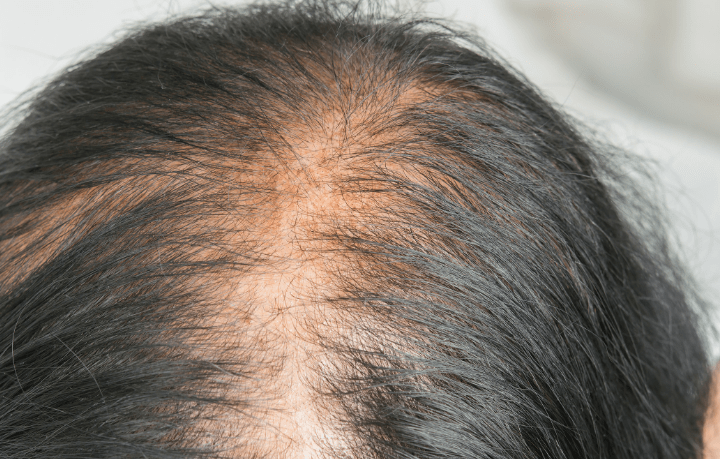
The problem arises when shedding becomes significantly greater than usual or when the hair does not appear to be growing back at the same rate. Young people may notice increased hair on their clothes, pillows, bathroom floors, or hairbrushes. Some may also observe a widening hair part, reduced hair density, thinning around the temples, or a receding hairline.
Several lifestyle and environmental factors may be contributing to this trend.
1. Chronic Stress and Mental Pressure
Stress has become a significant part of modern youth culture. Academic pressure, competitive workplaces, financial uncertainty, relationship problems, career concerns, social expectations, and constant digital exposure can contribute to prolonged psychological stress.
Significant physical or emotional stress can disrupt the normal hair-growth cycle. One condition associated with this process is telogen effluvium, in which a larger number of hairs prematurely enter the resting and shedding phase.
The important point is that stress-related hair shedding may not happen immediately after a stressful event. Increased shedding can become noticeable weeks or months after the triggering event, making it difficult to identify the original cause.
Managing stress through adequate rest, physical activity, relaxation techniques, social support, and professional help when needed can therefore be an important part of maintaining overall health and potentially reducing stress-related hair shedding.
2. Poor Nutrition and Restrictive Diets
Healthy hair requires adequate nutrients because hair follicles are metabolically active structures. When the body does not receive enough calories, protein, vitamins, or minerals, hair growth can be affected.
Young people sometimes skip meals, follow extreme weight-loss diets, avoid entire food groups, or replace balanced meals with highly processed foods. Rapid weight loss can also trigger increased shedding.
Nutrients commonly associated with hair health include:
- Protein
- Iron
- Zinc
- Vitamin D
- Vitamin B12
- Folate
- Essential fatty acids
However, taking supplements without identifying an actual deficiency is not necessarily beneficial and, in some cases, excessive supplementation can be harmful. A balanced diet should generally be the starting point, while nutritional deficiencies should be evaluated with an appropriate healthcare professional.
3. Hormonal Changes
Hormones play an important role in hair growth. Hormonal fluctuations can contribute to hair thinning in both men and women.
For some young women, hormonal conditions may be associated with scalp hair thinning, while some may also experience other symptoms such as acne, irregular menstrual cycles, or unwanted facial or body hair. In men, sensitivity to certain androgen hormones can contribute to androgenetic alopecia, commonly known as male-pattern hair loss.
Because hormonal hair loss can have different causes, persistent or sudden changes should not simply be dismissed as a cosmetic problem.
4. Genetic Predisposition
Genetics remains one of the most important factors behind hair loss.
A person may inherit a tendency toward pattern hair loss from their family. It can begin during adolescence or early adulthood and may gradually become more noticeable over time.
Male-pattern hair loss often appears as recession around the temples or thinning at the crown. Female-pattern hair loss may present as generalized thinning or a widening central part.
Early recognition can be valuable because some treatments are more effective when started before substantial follicle miniaturization occurs.
5. Lack of Sleep
Sleep is often sacrificed because of late-night studying, work schedules, entertainment, gaming, social media, or irregular routines.
Although sleep itself is not a single proven cause of every type of hair loss, poor sleep can contribute to stress and can negatively affect overall health. When combined with poor nutrition, psychological stress, and an unhealthy lifestyle, inadequate sleep may become part of a broader environment in which hair shedding becomes more noticeable.
Establishing a consistent sleep routine is therefore beneficial for overall wellbeing.
6. Excessive Heat and Chemical Treatments
Hair styling trends have also changed significantly. Frequent straightening, curling, blow-drying at high temperatures, bleaching, coloring, chemical relaxing, and other treatments can damage the hair shaft.
This type of damage is different from hair loss originating in the follicle. Excessive chemical or heat exposure can make hair brittle, causing it to break and appear thinner.
Young people who frequently change hairstyles should therefore pay attention to signs of dryness, split ends, breakage, and scalp irritation.
7. Tight Hairstyles
Regularly wearing tight ponytails, buns, braids, extensions, or other hairstyles that continuously pull on the hair can place mechanical stress on follicles.
Repeated tension may cause traction alopecia. In the early stages, reducing tension can help prevent further damage, but prolonged traction can sometimes result in permanent hair loss.
Choosing looser hairstyles and avoiding continuous pulling around the same areas can reduce unnecessary stress on the hair.
8. Scalp Problems
The scalp is the foundation from which hair grows. Conditions such as dandruff, seborrheic dermatitis, psoriasis, fungal infections, inflammation, or other scalp disorders can cause itching, scaling, redness, discomfort, or increased shedding.
A healthy scalp does not necessarily guarantee thick hair, but persistent scalp problems should not be ignored.
If someone experiences significant itching, inflammation, painful areas, thick scaling, sores, or sudden patches of hair loss, professional evaluation is particularly important.
9. Illness, Medications, and Major Physical Changes
Hair shedding can sometimes follow an illness, high fever, surgery, major physical stress, or certain medications.
Because hair growth responds relatively slowly to changes in the body, increased shedding may become visible after the original health event has already passed.
This is one reason why looking only at what happened during the week when hair fall became noticeable may not reveal the actual cause.
The Psychological Impact of Hair Loss
Hair loss among young people is not merely a cosmetic concern.
Hair is closely connected with personal identity, appearance, confidence, and social perception. Young people experiencing premature thinning may become self-conscious about photographs, meetings, dating, college events, interviews, or social gatherings.
Some may spend significant amounts of money trying different oils, supplements, shampoos, treatments, or unverified remedies. Others may constantly check their hairline or scalp in mirrors and photographs.
This emotional burden should be taken seriously. Hair loss can affect confidence and quality of life even when it does not represent a serious underlying medical condition.
Social Media and the Hair-Loss Industry
Social media has created another dimension to the problem.
Young consumers are exposed to countless advertisements promising rapid hair growth through oils, supplements, shampoos, serums, gummies, and other products. Before-and-after photographs and influencer testimonials can make a treatment appear universally effective.
However, hair loss has many different causes, and a product that helps one person may not address another person’s underlying problem.
Consumers should be cautious about products that promise dramatic regrowth in a very short period. Evidence-based treatment should ideally begin with identifying the type and cause of hair loss.
When Should Young People See a Doctor?
Not every episode of hair shedding requires medical treatment. However, professional evaluation is appropriate when hair loss is persistent, rapidly progressing, or accompanied by other symptoms.
A dermatologist or qualified healthcare professional can examine the scalp, review the person’s medical and family history, and determine whether further testing is appropriate.
Medical evaluation is especially important when someone experiences:
- Sudden or severe hair shedding
- Clearly visible bald patches
- Rapidly receding hairline
- Significant scalp itching, redness, or scaling
- Hair loss accompanied by other unexplained symptoms
- Hair loss following major illness or significant weight loss
- Progressive thinning over several months
- Hair loss beginning at an unusually young age
Building Better Hair Health
There is no single diet, shampoo, oil, or lifestyle habit that can prevent every form of hair loss. However, healthy habits can support overall hair and scalp health.
A balanced diet containing adequate protein, vegetables, fruits, whole grains, legumes, nuts, seeds, and other nutrient-rich foods is a sensible foundation.
Young people can also focus on:
Eating balanced meals: Avoid prolonged crash diets and extreme calorie restriction.
Getting adequate protein: Hair is largely made of a protein called keratin, so adequate dietary protein is important.
Managing stress: Regular exercise, relaxation, hobbies, social connection, and appropriate professional support can help manage chronic stress.
Protecting the hair: Reduce unnecessary heat, harsh chemical treatments, and excessive mechanical tension.
Maintaining scalp hygiene: Use products appropriate for the individual’s scalp and address persistent scalp conditions rather than ignoring them.
Getting adequate sleep: Maintain a consistent sleep schedule whenever possible.
Avoiding unnecessary supplements: Nutritional supplements should not automatically be considered a solution for hair loss. If a deficiency is suspected, professional assessment can help determine whether supplementation is appropriate.
The Importance of Early Action
One of the biggest mistakes young people make is ignoring persistent hair loss until it becomes highly visible.
Early hair thinning does not necessarily mean permanent baldness, and different forms of hair loss require different approaches. Some causes are temporary and may improve after the underlying trigger is addressed, while others are progressive and may benefit from early treatment.
The earlier the underlying cause is identified, the easier it can be to make an informed decision about what to do next.
Conclusion
The increase in hair fall among young people reflects a broader combination of modern lifestyle pressures, nutritional challenges, genetics, hormonal factors, health conditions, and hair-care practices. While occasional shedding is normal, persistent or rapidly worsening hair loss deserves attention.
Instead of immediately turning to internet remedies or expensive hair products, young people should focus on understanding the possible cause of their hair loss. Maintaining a nutritious diet, managing stress, getting sufficient sleep, protecting the hair from unnecessary damage, and seeking professional advice when symptoms persist can provide a more sensible approach.
Most importantly, hair loss should not become a source of shame. It is a common issue with many possible causes, and experiencing it at a young age does not mean that someone has done something wrong. With proper awareness, early evaluation, and an individualized approach, many people can better understand their hair loss and take appropriate steps toward healthier hair and scalp.