

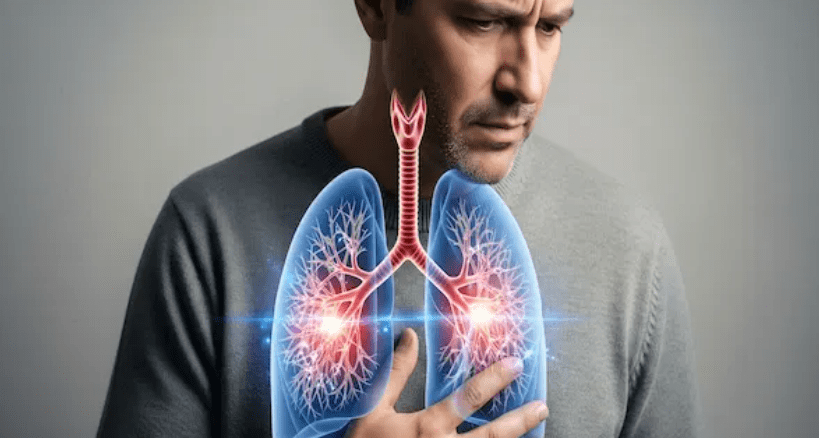
Understanding Lung Infections: Causes, Symptoms, and Modern Treatment Approaches
Lung infections remain one of the most common and potentially serious health conditions affecting millions of people worldwide. These infections occur when harmful microorganisms such as bacteria, viruses, or fungi invade the respiratory system, leading to inflammation and impaired lung function. Conditions like Pneumonia, Bronchitis, and Tuberculosis are among the most recognized types of lung infections, each varying in severity, duration, and required treatment.
One of the primary causes of lung infections is exposure to infectious agents. Bacterial infections, such as those caused by Streptococcus pneumoniae, often lead to pneumonia, while viral infections like Influenza or COVID-19 can also severely impact the lungs. Fungal infections, although less common, are more likely to affect individuals with weakened immune systems. Environmental factors such as air pollution, smoking, and occupational hazards further increase the risk, especially in urban and industrial areas.
The symptoms of lung infections can range from mild to severe, depending on the type and progression of the disease. Common signs include persistent cough, chest pain, shortness of breath, fever, fatigue, and production of mucus. In severe cases, patients may experience difficulty breathing, confusion, or bluish lips due to lack of oxygen. Early diagnosis is crucial, as untreated infections can lead to complications such as lung abscesses or respiratory failure.
Diagnosis typically involves a combination of physical examination, imaging tests like chest X-rays or CT scans, and laboratory tests including sputum analysis and blood tests. In certain cases, advanced diagnostic tools such as bronchoscopy may be used to examine the airways more closely. Accurate identification of the causative organism plays a key role in determining the most effective treatment strategy.
Treatment for lung infections varies based on the underlying cause. Bacterial infections are usually treated with antibiotics, while viral infections may require antiviral medications and supportive care such as rest, hydration, and oxygen therapy. For example, antiviral drugs are often prescribed for severe cases of influenza, while supportive treatments played a major role during the management of COVID-19 patients. Fungal infections are treated with antifungal medications, which may be required for longer durations.
In addition to medications, lifestyle modifications and supportive therapies significantly contribute to recovery. Patients are often advised to maintain proper hydration, use humidifiers to ease breathing, and avoid smoking or exposure to pollutants. Pulmonary rehabilitation, which includes breathing exercises and physical therapy, can help improve lung function, especially in chronic cases.
Prevention is equally important in reducing the incidence of lung infections. Vaccination plays a vital role, with vaccines available for diseases such as influenza and pneumonia. Maintaining good hygiene practices, such as regular handwashing and wearing masks in high-risk environments, can limit the spread of infectious agents. Individuals with pre-existing health conditions or weakened immunity should take extra precautions and seek timely medical advice.
In recent years, advancements in medical technology and research have significantly improved the diagnosis and treatment of lung infections. The integration of AI in healthcare, development of targeted therapies, and improved vaccination strategies are paving the way for more effective management and prevention. However, awareness and early intervention remain key factors in reducing the burden of these diseases.
In conclusion, lung infections are a serious health concern that require prompt attention and proper treatment. Understanding their causes, recognizing symptoms early, and adopting preventive measures can greatly reduce risks and improve outcomes. With continuous advancements in healthcare, the future holds promising solutions for better management and recovery from lung-related illnesses.