

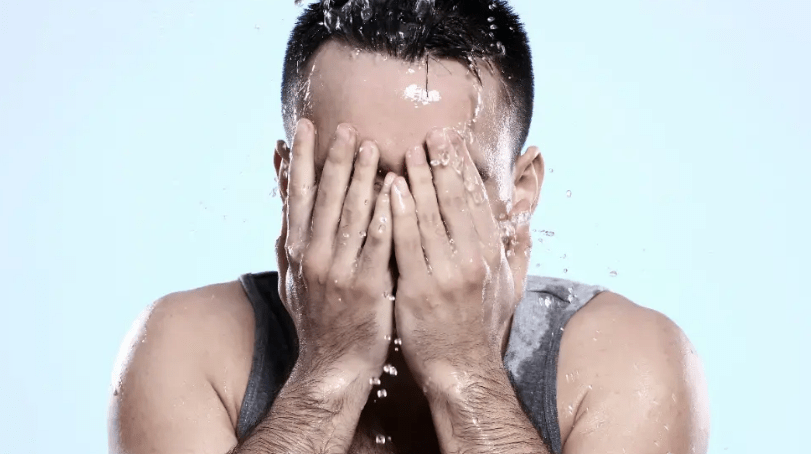
Is Your Water Secretly Damaging Your Skin and Hair? The Hidden Truth Behind Acne, Hair Loss & Skin Problems
We often spend thousands on expensive skincare products, shampoos, serums, facials, and treatments hoping for glowing skin and healthy hair. But what if the real problem isn’t your skincare routine at all?
What if the water you use every single day is silently damaging your skin and hair?
Most people never think about water quality when dealing with acne, dryness, hair fall, scalp irritation, or dull skin. Yet the truth is shocking — unhealthy water can directly affect your skin barrier, clog pores, trigger irritation, weaken hair roots, and even worsen conditions like eczema and dandruff.
If your skin suddenly feels rough, itchy, oily, sensitive, or your hair is becoming dry and lifeless despite using good products, your water might be the hidden culprit.
How Water Affects Your Skin and Hair
Your skin is the body’s largest organ, and your scalp is extremely sensitive. Every time you wash your face, shower, or shampoo your hair, the minerals and chemicals present in water interact directly with your skin barrier.
Clean, balanced water helps maintain hydration and healthy skin.
But contaminated or hard water can strip natural oils, disturb pH balance, and leave harmful mineral deposits behind.
Over time, this can lead to:
- Acne and breakouts
- Hair thinning and hair loss
- Dry, itchy skin
- Premature aging
- Scalp irritation
- Dandruff
- Skin allergies
- Frizzy and weak hair
- Redness and sensitivity
Many people blame weather, stress, hormones, or products while completely ignoring water quality.
What Is Hard Water?
Hard water contains high levels of minerals like calcium and magnesium. While these minerals are not dangerous for drinking, they can create serious problems for skin and hair.
Hard water leaves a layer of mineral residue on your skin and scalp. This residue prevents proper cleansing and blocks moisture absorption.
That means:
- Your face wash may not clean properly
- Shampoo may leave buildup on the scalp
- Moisturizers may stop absorbing effectively
- Hair becomes rough and brittle
- Skin feels tight after washing
If you notice white stains on taps, buckets, or bathroom tiles, chances are your water is hard.
Signs Your Water May Be Causing Skin Problems
Many people experience symptoms daily without realizing the connection to water quality.
Here are common warning signs:
1. Sudden Acne Breakouts
If your skin becomes oily yet dehydrated at the same time, hard water may be damaging your skin barrier.
Mineral buildup can clog pores and trap bacteria, leading to painful acne and frequent pimples.
2. Dry, Tight Skin After Shower
Healthy water should leave your skin feeling fresh.
If your skin feels stretched, flaky, itchy, or irritated after washing, your water may contain excessive minerals or chlorine.
3. Hair Fall and Weak Hair
One of the biggest hidden causes of hair fall is poor water quality.
Hard water weakens hair strands and creates buildup around hair follicles. This can lead to:
- Increased hair shedding
- Split ends
- Rough texture
- Frizziness
- Lack of shine
Over time, hair may become thinner and harder to manage.
4. Scalp Irritation and Dandruff
Mineral deposits and chemicals in water can disturb the scalp microbiome.
This often causes:
- Itching
- Flaking
- Dandruff
- Scalp sensitivity
- Red patches
Even medicated shampoos may stop working effectively if the water itself is the problem.
5. Sensitive or Burning Skin
If skincare products suddenly sting or your face becomes red after washing, your skin barrier may already be damaged by harsh water exposure.
Chlorine-heavy water can increase skin sensitivity and irritation.
Chlorine in Water: Another Hidden Threat
Municipal water often contains chlorine to kill bacteria and purify water. While helpful for sanitation, excessive chlorine exposure can be harmful for skin and hair.
Chlorine can:
- Strip natural oils
- Dry out skin cells
- Damage hair proteins
- Cause irritation
- Trigger eczema flare-ups
- Increase skin sensitivity
People with already sensitive skin suffer even more from chlorine-rich water.
Can Water Cause Premature Aging?
Yes — surprisingly, poor water quality can contribute to early signs of aging.
When skin repeatedly loses moisture due to hard water and chemicals, it weakens collagen production and damages the protective skin barrier.
This can lead to:
- Fine lines
- Uneven texture
- Dullness
- Loss of glow
- Wrinkles appearing earlier
Healthy skin starts with a healthy barrier — and water plays a huge role in maintaining it.
Why Expensive Products Sometimes Don’t Work
Many people continuously switch skincare brands hoping for better results.
But if the water itself is damaging your skin daily, even premium products struggle to show results.
Imagine applying expensive serums on skin that’s constantly irritated by harsh water every morning and night.
That’s why dermatologists increasingly recommend checking water quality when treating stubborn skin or scalp problems.
Who Is Most Affected by Poor Water Quality?
Some people are more sensitive than others.
You may be at higher risk if you have:
- Acne-prone skin
- Eczema
- Psoriasis
- Sensitive skin
- Dry skin
- Colored or chemically treated hair
- Curly or textured hair
- PCOS-related skin issues
- Existing hair fall concerns
Children and elderly people are also more vulnerable to water-related skin irritation.
How to Check If Your Water Is the Problem
You don’t always need expensive testing initially.
Simple signs include:
- Soap not lathering properly
- Hair feeling sticky after washing
- Skin feeling dry immediately after shower
- White stains on bathroom fixtures
- Increased acne after shifting homes
- Scalp itchiness despite using anti-dandruff shampoos
You can also use home water testing kits or consult local water testing services.
Simple Ways to Protect Your Skin and Hair
The good news is that small changes can make a big difference.
Install a Shower Filter
A good shower filter can help reduce chlorine and certain impurities from water.
Many people notice softer skin and smoother hair within weeks.
Use Gentle Skincare
Avoid harsh cleansers and strong scrubs if your water is already drying out your skin.
Choose:
- Sulfate-free cleansers
- Hydrating moisturizers
- Barrier-repair creams
- Mild shampoos
Rinse Hair With Filtered or RO Water Occasionally
This helps remove mineral buildup and improves hair texture over time.
Moisturize Immediately After Shower
Apply moisturizer within 2–3 minutes after bathing to lock in hydration.
Stay Hydrated
Internal hydration matters too. Healthy water consumption supports skin elasticity and overall scalp health.
Healthy Skin Is Not Just About Products
The beauty industry often convinces us that every problem needs another product.
But true skin and hair health depends on multiple hidden factors — and water is one of the biggest.
Sometimes your acne isn’t because you skipped skincare.
Sometimes your hair fall isn’t because of your shampoo.
Sometimes the real issue flows silently through your taps every day.
Final Thoughts
Your skin and hair constantly react to the environment around you — and water is one of the most overlooked factors affecting both.
If you’ve tried countless products but still struggle with acne, dryness, irritation, dandruff, or hair loss, it may be time to stop blaming your skincare routine and start checking your water quality.
Healthy water can transform your skin barrier, scalp health, and hair texture more than many people realize.
Because sometimes, the biggest beauty problem isn’t on your shelf…
It’s coming from your shower.