

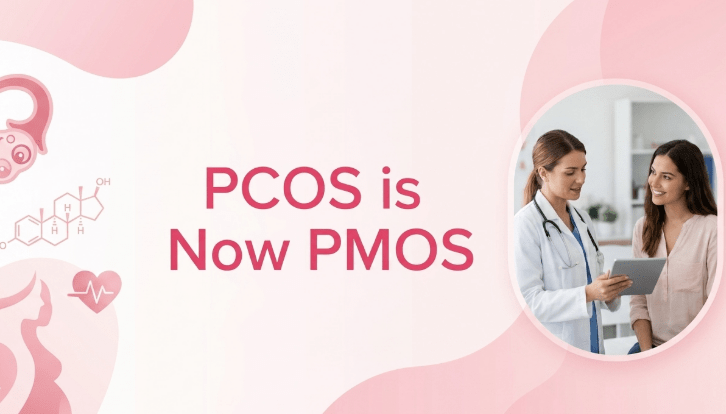
PCOS to PMOS: Understanding Hormonal Imbalance, Symptoms, Causes, and the Journey Toward Better Women’s Health
Introduction
Women’s health conditions related to hormones are becoming increasingly common due to changing lifestyles, stress, poor eating habits, lack of physical activity, and environmental factors. One of the most discussed conditions today is Polycystic Ovary Syndrome, commonly known as PCOS. However, many people also come across the term “PMOS,” often used mistakenly instead of PCOS or to describe severe menstrual and hormonal irregularities. While PCOS is the medically recognized condition, PMOS is often informally associated with menstrual dysfunction, hormonal imbalance, obesity, mood disorders, and ovarian complications.
PCOS affects millions of women worldwide, especially during reproductive years. It not only impacts physical health but also emotional well-being, fertility, metabolism, skin health, and confidence. Understanding this condition early can help women manage symptoms effectively and improve their quality of life.
What is PCOS?
Polycystic Ovary Syndrome is a hormonal disorder in which the ovaries produce excessive male hormones called androgens. This hormonal imbalance interferes with the normal functioning of the ovaries and affects ovulation.
Women with PCOS may develop multiple small fluid-filled sacs, commonly known as cysts, in their ovaries. These cysts are immature follicles that fail to release eggs regularly, causing irregular menstrual cycles and fertility issues.
PCOS is not just a reproductive disorder; it is also closely linked to metabolism, insulin resistance, weight gain, inflammation, and mental health challenges.
Understanding the Term “PMOS”
The term “PMOS” is not officially recognized in medical science like PCOS. In many regions, people use PMOS interchangeably with PCOS due to confusion in pronunciation or terminology. Some also use PMOS to describe conditions involving:
- Severe menstrual irregularities
- Hormonal imbalance
- Mood swings and emotional instability
- Obesity and metabolic issues
- Ovarian dysfunction
Although PMOS is not a clinical diagnosis, the symptoms often overlap with PCOS and other hormonal disorders affecting women.
Common Symptoms of PCOS
Symptoms of PCOS vary from woman to woman. Some may experience mild symptoms, while others face severe hormonal complications.
1. Irregular Periods
One of the most common signs is irregular menstrual cycles. Women may experience:
- Delayed periods
- Missed periods
- Heavy bleeding
- Very light bleeding
- Long gaps between cycles
Irregular ovulation causes these menstrual changes.
2. Weight Gain
Many women with PCOS struggle with weight gain, especially around the abdomen. Hormonal imbalance and insulin resistance make it difficult to lose weight even after dieting and exercise.
3. Acne and Oily Skin
Excess androgen hormones increase oil production in the skin, leading to:
- Persistent acne
- Pimples on cheeks and jawline
- Oily skin texture
- Skin inflammation
4. Excess Hair Growth
Women may experience unwanted hair growth on:
- Face
- Chin
- Chest
- Stomach
- Back
This condition is called hirsutism and occurs due to elevated male hormones.
5. Hair Fall and Thinning
PCOS can also cause:
- Hair thinning
- Weak hair roots
- Scalp hair loss
- Pattern baldness in severe cases
6. Difficulty in Pregnancy
Irregular ovulation affects fertility. Women with PCOS may face:
- Delayed conception
- Infertility challenges
- Hormonal complications during pregnancy
7. Mood Swings and Mental Health Issues
Hormonal fluctuations often lead to:
- Anxiety
- Depression
- Irritability
- Stress
- Low confidence
- Emotional imbalance
Major Causes of PCOS
There is no single cause of PCOS. Several factors contribute to the condition.
1. Hormonal Imbalance
Excess production of androgen hormones disrupts ovulation and menstrual cycles.
2. Insulin Resistance
Many women with PCOS develop insulin resistance, where the body cannot use insulin effectively. This increases blood sugar levels and promotes fat storage.
3. Genetics
PCOS can run in families. If a mother or sister has PCOS, the chances increase for other female family members.
4. Poor Lifestyle
Modern lifestyle habits contribute significantly:
- Junk food consumption
- Lack of exercise
- Poor sleep
- High stress
- Excess sugar intake
- Sedentary routine
Health Risks Associated with PCOS
If left untreated, PCOS can lead to serious health complications.
Diabetes
Insulin resistance increases the risk of Type 2 Diabetes.
Heart Disease
Women with PCOS may face:
- High cholesterol
- High blood pressure
- Increased cardiovascular risk
Obesity
Hormonal imbalance slows metabolism and promotes weight gain.
Infertility
Irregular ovulation can make pregnancy difficult without treatment.
Mental Health Disorders
Long-term stress and hormonal imbalance may contribute to anxiety and depression.
Diagnosis of PCOS
Doctors diagnose PCOS through:
- Medical history
- Menstrual history
- Physical examination
- Blood tests
- Hormone testing
- Ultrasound scans
Ultrasound helps detect multiple ovarian cysts and ovarian enlargement.
Treatment and Management of PCOS
Although there is no permanent cure for PCOS, symptoms can be controlled effectively with lifestyle changes and medical support.
1. Healthy Diet
A balanced diet plays a major role in managing PCOS.
Recommended foods:
- Fruits and vegetables
- Whole grains
- Lean protein
- Nuts and seeds
- Fiber-rich foods
Foods to avoid:
- Sugary drinks
- Junk food
- Processed snacks
- Excess oily food
2. Regular Exercise
Physical activity improves insulin sensitivity and supports weight management.
Helpful exercises include:
- Walking
- Yoga
- Strength training
- Cardio workouts
- Home workouts
Even 30 minutes daily can make a noticeable difference.
3. Stress Management
Stress worsens hormonal imbalance. Women should focus on:
- Meditation
- Proper sleep
- Relaxation techniques
- Mindfulness practices
4. Medical Treatment
Doctors may prescribe:
- Hormonal medications
- Birth control pills
- Insulin-regulating medicines
- Fertility treatments
Treatment depends on symptoms and health goals.
Importance of Early Awareness
Many women ignore irregular periods and hormonal symptoms for years. Early diagnosis can prevent long-term complications and improve reproductive health.
Awareness about PCOS is essential because the condition affects:
- Physical health
- Emotional well-being
- Fertility
- Confidence
- Lifestyle quality
Women should seek medical guidance if they notice consistent hormonal or menstrual irregularities.
Lifestyle Tips for Managing PCOS Naturally
Maintain a Consistent Routine
Sleeping and waking up at regular times supports hormone balance.
Stay Hydrated
Drinking enough water improves metabolism and overall body function.
Reduce Sugar Intake
Lower sugar consumption helps control insulin levels.
Avoid crash diets.
Extreme dieting can worsen hormonal imbalance and weakness.
Focus on Mental Health
Positive mental health practices help reduce emotional stress linked with PCOS.
Conclusion
Polycystic Ovary Syndrome is more than just a menstrual disorder. It is a complex hormonal condition that impacts physical, emotional, and reproductive health. While terms like PMOS are commonly used informally, understanding the actual medical condition and its symptoms is important for proper treatment and awareness.
With healthy lifestyle choices, balanced nutrition, exercise, stress management, and medical guidance, women can successfully manage PCOS and lead healthier lives. Early awareness, self-care, and timely treatment are the key steps toward improving hormonal health and overall well-being.