

Healthy Lifestyle for PCOS/PCOD: A Practical Guide to Balance Hormones and Feel Your Best
Polycystic Ovary Syndrome (PCOS/PCOD) is more than just a hormonal condition—it affects metabolism, mental health, weight, skin, sleep, and overall quality of life. Many women struggle with symptoms like irregular periods, weight gain, acne, hair fall, fatigue, and mood swings. The good news is that with the right lifestyle approach, PCOS can be effectively managed and even reversed in many cases.
This guide focuses on a realistic, sustainable, and non-restrictive lifestyle—especially important if you experience weakness, low BP, or fatigue when dieting.
Understanding PCOS/PCOD
PCOS is a hormonal imbalance where the ovaries produce excess androgens (male hormones), leading to:
- Irregular or missed periods
- Weight gain (especially belly fat)
- Acne and oily skin
- Hair thinning or excessive facial hair
- Insulin resistance
The root causes often include insulin resistance, inflammation, stress, and poor lifestyle habits.
1. Focus on Balanced Nutrition (Not Strict Dieting)
If you feel weak or dizzy when eating less, strict dieting is not the solution. Instead, focus on balanced, frequent meals.
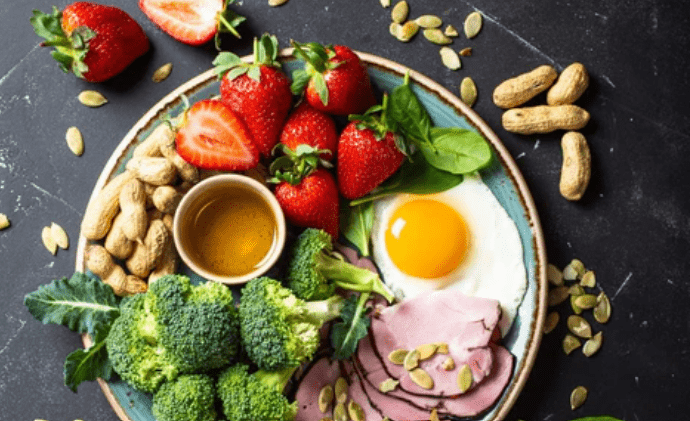
What to Eat
- Whole grains: oats, brown rice, millets (jowar, bajra)
- Protein: eggs, paneer, dal, sprouts, chicken
- Healthy fats: nuts, seeds, ghee (in moderation)
- Fiber-rich foods: vegetables, fruits (especially low GI like apple, guava)
What to Avoid (Limit, not eliminate)
- Refined sugar and sweets
- White bread, maida products
- Fried and processed foods
- Sugary drinks
Golden Rule
Eat every 3–4 hours to maintain energy and stabilize blood sugar.
2. Manage Insulin Resistance Naturally
Most PCOS cases are linked to insulin resistance, which causes weight gain and hormonal imbalance.
Simple habits:
- Start your day with warm water + soaked fenugreek (methi) seeds
- Include protein in every meal
- Walk for 10–15 minutes after meals
- Add cinnamon or flaxseeds to your diet
3. PCOS-Friendly Exercise Routine (At Home)
You don’t need intense gym workouts. Consistency matters more.
Weekly Plan:
- 3–4 days: Strength training (squats, lunges, glute bridges)
- 2–3 days: Light cardio (walking, skipping, dancing)
- Daily: 20–30 minutes movement
Why it works:
- Builds muscle → improves insulin sensitivity
- Reduces belly fat
- Boosts mood and energy
4. Prioritize Sleep and Recovery
Poor sleep worsens PCOS symptoms.
Tips:
- Sleep for 7–8 hours daily
- Avoid screens 1 hour before bed
- Try calming routines like reading or meditation
Lack of sleep increases cortisol (stress hormone), which leads to weight gain and hormonal imbalance.
5. Reduce Stress (Very Important)
Stress is one of the biggest triggers for PCOS symptoms like missed periods and weight gain.
Simple stress management:
- Deep breathing (5–10 minutes daily)
- Yoga or stretching
- Journaling your thoughts
- Listening to calming music
Even small daily habits can significantly improve hormone balance.
6. Support Your Hormones Naturally
Certain natural practices can help regulate cycles:
- Drink spearmint tea (helps reduce androgen levels)
- Stay hydrated (2.5–3 liters water daily)
- Include seeds cycle (flax, pumpkin, sunflower, sesame)
- Get sunlight exposure for Vitamin D
7. Maintain a Healthy Weight (Without Pressure)
Weight loss in PCOS is slow—and that’s okay. Even 5–10% weight reduction can:
- Regulate periods
- Improve fertility
- Reduce acne and hair fall
Focus on inch loss, energy levels, and strength, not just the scale.
8. Track Your Cycle and Symptoms
Keep a simple record of:
- Period dates
- Mood changes
- Food habits
- Exercise
This helps you understand your body better and identify triggers.
9. When to Seek Medical Support
Lifestyle is powerful, but sometimes medical guidance is necessary. Consult a doctor if:
- Periods are absent for months
- Severe acne or hair fall
- Difficulty in managing weight
- Planning pregnancy
10. Build a Sustainable Routine (Not Temporary Fixes)
The biggest mistake is trying extreme diets or workouts and quitting after a few days.
Instead:
- Make small, consistent changes
- Eat foods you enjoy (in moderation)
- Follow routines you can maintain long-term
Final Thoughts
Living with PCOS/PCOD can feel overwhelming, but it doesn’t have to control your life. With a balanced lifestyle, mindful eating, regular movement, and stress management, you can regain control of your health naturally.
Remember:
It’s not about perfection—it’s about consistency.
Your body is not working against you; it just needs the right support.