

The best calorie control guide
When people think about losing weight or maintaining a healthy lifestyle, one word almost always comes up first: calories. From diet plans and fitness apps to meal tracking and nutrition labels, calories have become the center of nearly every health conversation. But despite hearing the term so often, many people still struggle to understand how calorie control actually works.
Some believe eating fewer calories means starving yourself. Others think cutting out entire food groups is the only solution. In reality, effective calorie control is not about extreme dieting or punishing restrictions. It is about understanding your body’s energy needs and making smarter daily choices that support long-term health.
Learning how to manage calories properly can help improve energy levels, maintain a healthy weight, reduce health risks, and create sustainable eating habits without feeling deprived.
This guide explains everything you need to know about calorie control and how to make it work for your lifestyle.
What Are Calories and Why Do They Matter?
Calories are simply units of energy. Every food and drink you consume provides calories, which your body uses to perform basic functions such as breathing, digestion, movement, and maintaining body temperature.
Your body burns calories continuously, even while resting. The total number of calories you burn each day depends on several factors including age, weight, height, gender, muscle mass, and activity level.
The balance between calories consumed and calories burned directly affects body weight.
If you consume more calories than your body uses, the excess energy is stored as fat, leading to weight gain.
If you consume fewer calories than your body burns, your body uses stored fat for energy, resulting in weight loss.
Understanding this balance is the foundation of calorie control.
Why Calorie Control Is More Important Than Crash Dieting
Many people make the mistake of following extreme diets that drastically reduce calorie intake. While this may produce quick results, it often creates bigger problems in the long run.
Crash dieting can slow metabolism, cause muscle loss, increase fatigue, trigger nutritional deficiencies, and lead to binge eating once the diet becomes unsustainable.
Calorie control focuses on balance rather than restriction.
Instead of starving the body, you learn to manage portion sizes, choose nutrient-dense foods, and create a healthy calorie deficit when necessary.
This approach supports long-term success rather than temporary weight loss.
Know Your Daily Calorie Requirement
One of the most important steps in calorie control is understanding how many calories your body actually needs.
Daily calorie requirements vary based on lifestyle and goals.
A sedentary adult may require fewer calories because of limited physical activity.
Someone who exercises regularly or has physically demanding work will naturally need more calories to maintain energy levels.
General calorie estimates often look like this:
Women typically require between 1800 and 2200 calories per day for maintenance.
Men generally require between 2200 and 2800 calories per day.
For weight loss, a moderate calorie deficit of around 300 to 500 calories per day is often more sustainable than aggressive restriction.
The goal is gradual progress rather than rapid changes.
Focus on Food Quality, Not Just Numbers
One of the biggest misconceptions about calorie control is believing all calories affect the body the same way.
Technically, 500 calories from fast food and 500 calories from nutritious whole foods contain the same amount of energy.
However, they affect the body very differently.
Highly processed foods often contain excess sugar, unhealthy fats, and low nutritional value. They can increase cravings and leave you feeling hungry again quickly.
Whole foods provide vitamins, minerals, fiber, protein, and lasting energy.
Better calorie control starts with choosing foods that keep you full and support overall health.
Good options include:
Fresh vegetables
Fruits
Whole grains
Eggs
Lean protein sources
Nuts and seeds
Beans and legumes
Healthy fats such as avocado and olive oil
Balanced meals naturally make calorie control easier.
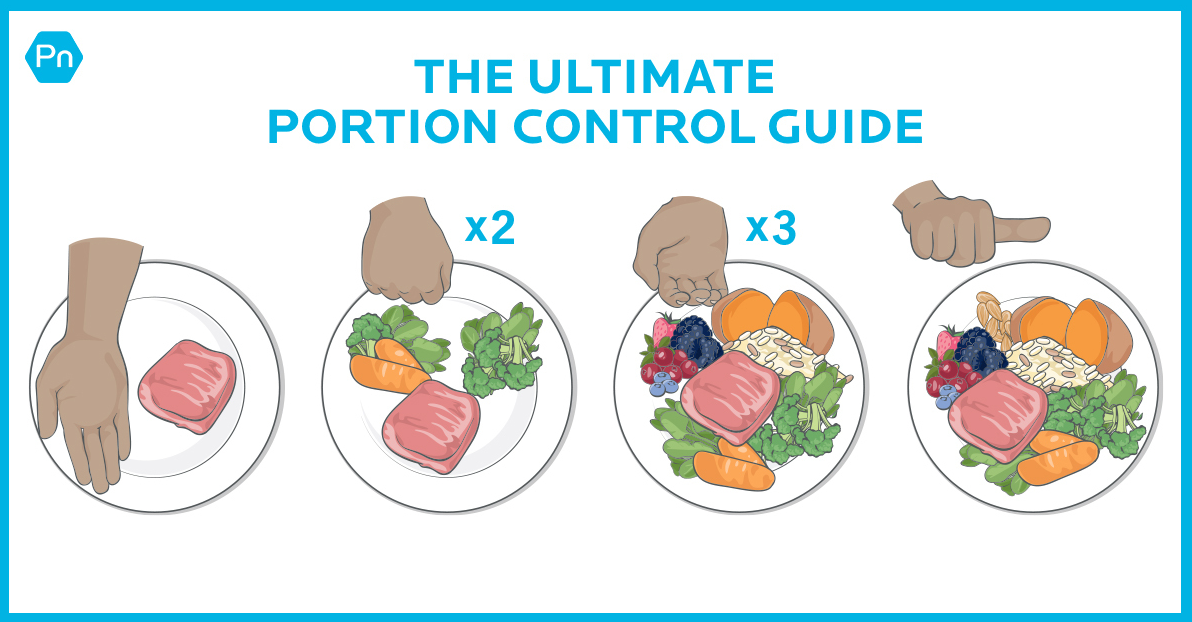
Portion Control Is the Real Game Changer
Many people eat healthy foods but still consume too many calories because of oversized portions.
Portion awareness is often more important than completely changing your diet.
Simple habits can make a major difference.
Use smaller plates when eating meals.
Avoid eating directly from large packets or containers.
Serve measured portions instead of guessing.
Pay attention to hunger signals instead of finishing food automatically.
Eating slowly gives the brain time to recognize fullness, reducing unnecessary overeating.
Even small adjustments in portion size can significantly reduce calorie intake over time.
Hidden Calories Are Everywhere
One major reason people struggle with weight management is because many calories go unnoticed.
Sugary coffee drinks, packaged snacks, sauces, processed juices, and fast food can add hundreds of extra calories without creating fullness.
For example:
A flavored coffee may contain more calories than breakfast.
Soft drinks often contain large amounts of sugar with no nutritional value.
Heavy salad dressings can turn healthy meals into high-calorie meals.
Late-night snacking often adds unnecessary calories without real hunger.
Becoming aware of hidden calories helps improve daily choices.
Sometimes small adjustments create bigger results than major diet changes.
Protein Helps Control Hunger Naturally
Protein is one of the most powerful tools for calorie management.
High-protein meals help you stay full longer, reduce unnecessary snacking, and preserve muscle mass during weight loss.
Including protein in every meal supports appetite control.
Good protein sources include:
Eggs
Chicken
Fish
Paneer
Greek yogurt
Tofu
Lentils
Beans
Nuts
Protein helps stabilize energy levels and prevents constant hunger throughout the day.
When people feel satisfied after meals, calorie control becomes much easier.
Smart Snacking Prevents Overeating
Completely avoiding snacks is not necessary.
The key is choosing better options.
Many packaged snacks are loaded with sugar, refined carbohydrates, and unhealthy fats that quickly increase calorie intake.
Better snack alternatives include:
Fresh fruit
Roasted nuts
Boiled eggs
Yogurt
Protein smoothies
Sprouts
Dark chocolate in moderation
Healthy snacks reduce cravings and prevent overeating during main meals.
Planning snacks in advance helps avoid impulsive unhealthy choices.
Exercise Supports Calorie Balance
While diet plays the biggest role in calorie control, physical activity helps improve overall results.
Exercise increases the number of calories burned daily and improves metabolism.
You do not need intense gym workouts to benefit.
Walking regularly, cycling, yoga, bodyweight exercises, swimming, or home workouts all contribute to calorie balance.
Strength training is especially useful because building muscle helps the body burn more calories even while resting.
Combining proper nutrition with regular movement creates the most effective long-term strategy.
Avoid Emotional Eating
One overlooked factor in calorie management is emotional eating.
Stress, boredom, anxiety, lack of sleep, and emotional exhaustion often lead people to eat when the body is not physically hungry.
This creates unnecessary calorie consumption.
Recognizing emotional triggers is important.
Ask yourself before eating:
Am I physically hungry?
Am I eating because I feel stressed?
Am I bored or simply looking for comfort?
Developing awareness helps break unhealthy patterns.
Replacing emotional eating with healthier coping habits creates long-term improvement.
Consistency Matters More Than Perfection
One unhealthy meal will not ruin progress.
Similarly, one healthy meal will not create instant transformation.
Successful calorie control comes from consistency over time.
Many people fail because they chase perfection.
They follow strict diets for a few days, break the routine, feel guilty, and quit entirely.
A better approach focuses on balance.
Enjoy occasional treats.
Make healthy choices most of the time.
Build habits gradually.
Long-term consistency always beats short-term extremes.
Final Thoughts
The best calorie control strategy is not about eating as little as possible.
It is about understanding your body, making smarter food choices, controlling portions, and building habits you can maintain for years.
Healthy weight management should never feel like punishment.
Small daily improvements create lasting change.
Instead of focusing on temporary diets, focus on sustainable habits that improve both physical health and overall well-being.
Calories matter, but how you manage them matters even more.
The goal is not simply weight loss.
The goal is creating a healthier lifestyle that supports energy, confidence, and long-term health.
When approached correctly, calorie control becomes less about restriction and more about learning how to fuel your body intelligently.
And that is where real transformation begins.