

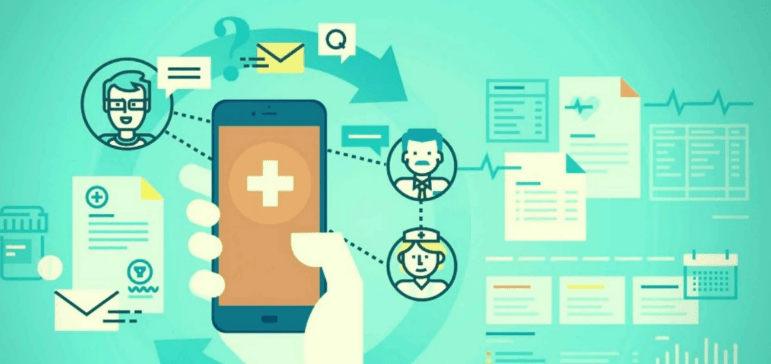
The Rise of Health Applications and Online Consultations
In today’s digital age, technology has transformed every sector, and healthcare is no exception. Health applications and online consultations have become increasingly popular, bridging the gap between patients and medical professionals while making healthcare more accessible, affordable, and efficient.
The Growth of Health Applications
Health applications, often referred to as mHealth apps, provide users with tools to monitor, track, and manage their health. From simple step counters and calorie trackers to advanced apps monitoring blood pressure, sugar levels, or mental health, these applications empower individuals to take control of their well-being.
Some key benefits include:
- Convenience: Patients can monitor vital signs at home without frequent clinic visits.
- Preventive Care: Apps encourage healthy lifestyles through reminders, fitness tracking, and diet planning.
- Data-Driven Insights: Continuous monitoring creates health records that can be shared with doctors for better diagnosis.
The Rise of Online Consultations
Online consultations, or telemedicine, have seen a significant boost in adoption, especially after the COVID-19 pandemic. Platforms offering video consultations allow patients to connect with doctors in real-time, reducing the need for in-person visits unless absolutely necessary.
Advantages include:
- Accessibility: Patients in remote or rural areas can reach specialists without traveling long distances.
- Time and Cost Efficiency: Online appointments save travel time and reduce overall healthcare expenses.
- Continuity of Care: Patients can maintain regular checkups and follow-ups without disruption.
Integration of Health Apps with Telemedicine
The combination of health applications and online consultations offers a seamless healthcare experience. For example, a patient tracking blood sugar levels in an app can share the data directly with their physician during an online consultation, enabling more accurate treatment decisions. AI-powered health apps are also emerging, providing predictive insights and personalized recommendations.
Challenges to Consider
While the benefits are immense, challenges such as data privacy, security, and digital literacy remain. Ensuring compliance with healthcare regulations, like HIPAA or GDPR, and making apps user-friendly are essential to foster trust among patients.
The Future of Healthcare
The future points toward a hybrid healthcare system where in-person visits, online consultations, and health applications complement each other. As wearable devices and AI-driven tools advance, healthcare will become more personalized, proactive, and patient-centric.