

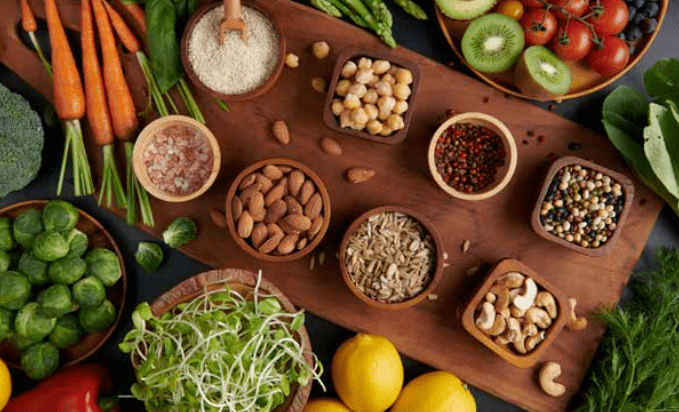
Why Nutrition is Essential for a Healthy Lifestyle
A healthy lifestyle is built on many pillars—exercise, sleep, stress management, and most importantly, nutrition. What we eat fuels our body, impacts our energy levels, supports growth and repair, and even influences our mental well-being. Good nutrition isn’t just about eating enough food; it’s about eating the right balance of nutrients to support long-term health.
The Role of Nutrition in a Healthy Lifestyle
- Provides Energy
The body needs carbohydrates, proteins, and fats to function. Proper nutrition ensures a steady supply of energy, keeping you active and productive throughout the day. - Supports Growth and Repair
Nutrients like protein, vitamins, and minerals help build and repair tissues. Without adequate nutrition, wounds heal slowly, bones weaken, and overall recovery is delayed. - Strengthens Immunity
A diet rich in vitamins (A, C, D, E), zinc, and antioxidants helps the immune system fight infections and illnesses. Poor nutrition leaves the body vulnerable to diseases. - Maintains Healthy Weight
Balanced nutrition helps prevent obesity as well as undernutrition. Both extremes can lead to chronic health issues like diabetes, heart disease, and hormonal imbalances. - Boosts Mental Health
Nutritional choices directly affect brain health. Omega-3 fatty acids, B vitamins, and magnesium improve mood and cognitive function, while poor diets are linked to stress and depression. - Promotes Longevity
Eating nutrient-rich foods reduces the risk of lifestyle diseases such as hypertension, heart disease, and certain cancers, allowing for a longer, healthier life.
Key Components of Good Nutrition
Related Posts
Related Posts
- Carbohydrates: Whole grains, fruits, and vegetables for energy.
- Proteins: Lean meats, dairy, legumes, and nuts for muscle repair and strength.
- Healthy Fats: Avocados, olive oil, and fish for brain and heart health.
- Vitamins & Minerals: A variety of colorful vegetables and fruits to cover essential nutrients.
- Hydration: Drinking enough water to support digestion, circulation, and overall body functions.
Tips for Maintaining Good Nutrition
- Eat a variety of whole, unprocessed foods.
- Limit added sugars, salt, and unhealthy fats.
- Practice portion control to avoid overeating.
- Include seasonal fruits and vegetables for maximum nutrition.
- Stay consistent—make healthy eating a lifestyle, not a short-term goal.
Conclusion
Nutrition is not just about preventing hunger; it is the foundation of a healthy and fulfilling life. The choices you make at the dining table determine your physical strength, mental clarity, and emotional balance. By focusing on balanced meals and mindful eating, you can create a lifestyle that promotes energy, resilience, and longevity.