

Women’s Health in the Modern Era: Tackling Lifestyle Diseases, PCOS, and Hormonal Challenges
Women today face a growing number of health challenges that extend beyond traditional reproductive issues. Sedentary lifestyles, processed diets, high stress levels, and environmental factors have contributed to the rise of lifestyle-related diseases such as obesity, diabetes, cardiovascular problems, and thyroid disorders among women. In addition, conditions like Polycystic Ovary Syndrome (PCOS) and hormonal imbalances further complicate overall wellness, making awareness, early detection, and holistic management crucial.
Polycystic Ovary Syndrome (PCOS)
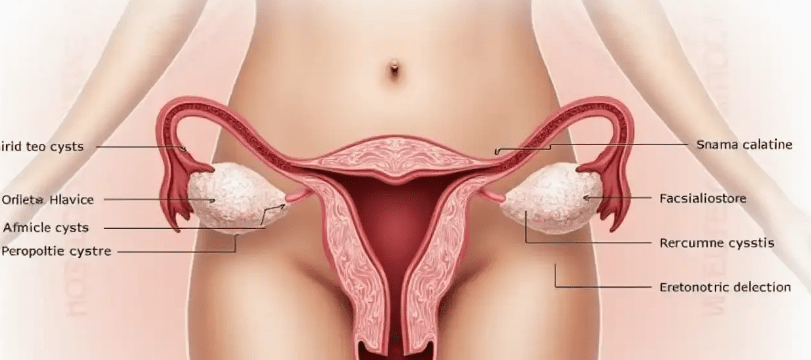
PCOS is one of the most common hormonal disorders among women of reproductive age, affecting roughly 5–10% of women globally. Characterized by irregular periods, excessive hair growth, acne, and ovarian cysts, PCOS also increases the risk of insulin resistance, diabetes, obesity, and infertility. Lifestyle interventions such as regular exercise, balanced nutrition, and weight management are fundamental in managing PCOS symptoms. Medical treatments may include hormone therapy or medications to regulate menstrual cycles and improve insulin sensitivity. Early diagnosis and a proactive management plan can prevent long-term complications and improve quality of life.
Hormonal Imbalances
Hormonal fluctuations in women occur naturally during puberty, menstruation, pregnancy, and menopause. However, imbalances due to thyroid disorders, adrenal dysfunction, or reproductive conditions can lead to symptoms such as fatigue, mood swings, weight gain, irregular periods, hair loss, and sleep disturbances. Thyroid disorders, particularly hypothyroidism, are highly prevalent in women and, if left untreated, can impact metabolism, fertility, and cardiovascular health. Regular hormonal evaluations and timely interventions—through diet, lifestyle modifications, and medications—are essential for maintaining hormonal equilibrium and preventing secondary health issues.
Lifestyle Diseases
Sedentary behavior, unhealthy diets, and stress contribute to lifestyle diseases that disproportionately affect women. Obesity increases the risk of diabetes, hypertension, cardiovascular diseases, and joint problems. Insulin resistance, often associated with PCOS and obesity, can progress to type 2 diabetes if not managed early. Cardiovascular diseases, once considered predominantly male problems, are now leading causes of morbidity among women, partly due to lack of awareness and delayed diagnosis. Preventive strategies such as regular exercise, heart-healthy diets rich in fruits, vegetables, lean proteins, and whole grains, and stress management practices are critical in mitigating these risks.
Mental Health Considerations
Lifestyle diseases and hormonal disorders often intersect with mental health challenges. Women dealing with chronic illnesses, PCOS, or menopause-related hormonal changes are more susceptible to anxiety, depression, and low self-esteem. Mental health care, including counseling, mindfulness techniques, and support groups, complements physical health interventions, ensuring a holistic approach to wellness.
Preventive Measures and Regular Screening
Proactive healthcare is crucial in addressing these modern challenges. Routine check-ups, hormonal panels, glucose and lipid monitoring, thyroid tests, and reproductive screenings help detect issues before they become severe. Educating women about symptoms, risks, and preventive strategies empowers them to take charge of their health. Early intervention not only reduces long-term complications but also improves daily quality of life.
Conclusion
Women’s health today demands an integrated approach that addresses lifestyle diseases, hormonal imbalances, and PCOS alongside traditional reproductive care. Combining preventive screenings, medical treatment, mental health support, and lifestyle modifications allows women to manage symptoms effectively, prevent chronic diseases, and lead healthier lives. Awareness, education, and supportive healthcare systems are essential to equip women with the tools they need for holistic well-being. By prioritizing these aspects of health, women can achieve resilience, vitality, and a higher quality of life at every stage.