

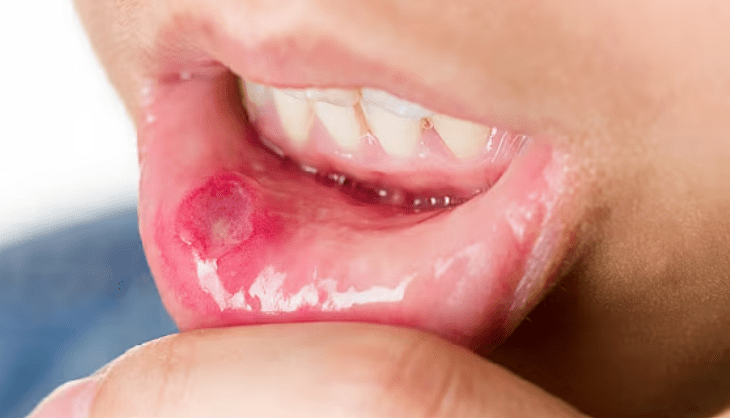
Understanding Mouth Infections: Causes, Symptoms, and Treatment
Mouth infections are common health issues that can affect people of all ages. They occur when harmful bacteria, viruses, or fungi grow inside the mouth, leading to discomfort, pain, or other oral health problems. While some infections are mild and heal quickly, others may require medical attention to prevent complications.
Common Causes of Mouth Infections
- Poor Oral Hygiene – Not brushing or flossing regularly allows bacteria to build up, leading to gum disease, cavities, and infections.
- Injury or Cuts in the Mouth – Small wounds from biting the cheek, dental procedures, or sharp food can invite germs.
- Weakened Immune System – People with diabetes, HIV, or those undergoing chemotherapy are more vulnerable to oral infections.
- Fungal Growth – Overgrowth of fungi like Candida causes oral thrush, a common mouth infection.
- Viral Infections – Herpes simplex virus can cause painful cold sores or blisters around the lips and inside the mouth.
Symptoms of Mouth Infections
The signs may vary depending on the type of infection, but common symptoms include:
- Redness and swelling in the mouth or gums
- Bad breath or a persistent bad taste
- White patches or sores on the tongue, gums, or inner cheeks
- Pain while chewing or swallowing
- Bleeding gums
- Fever or general weakness (in severe cases)
Related Posts
Related Posts
Types of Mouth Infections
- Gingivitis and Periodontitis – Infections in the gums caused by plaque buildup.
- Oral Thrush – Fungal infection leading to creamy white patches inside the mouth.
- Cold Sores – Fluid-filled blisters caused by the herpes virus.
- Dental Abscess – A bacterial infection that creates pus around teeth or gums.
Treatment and Prevention
- Maintain Good Oral Hygiene – Brush twice daily, floss regularly, and use an antibacterial mouthwash.
- Healthy Diet – Reduce sugar intake and eat foods rich in vitamins and minerals for strong teeth and gums.
- Medical Treatment –
- Antibiotics for bacterial infections
- Antifungal medications for thrush
- Antiviral creams or tablets for cold sores
- Home Remedies – Saltwater rinses, warm compresses for swelling, and staying hydrated may help relieve discomfort.
- Regular Dental Check-ups – Early detection of gum or tooth infections can prevent serious problems.
When to See a Doctor
If you experience persistent pain, swelling, fever, or difficulty eating and drinking, consult a dentist or doctor immediately. Untreated infections can spread and cause severe health issues.