

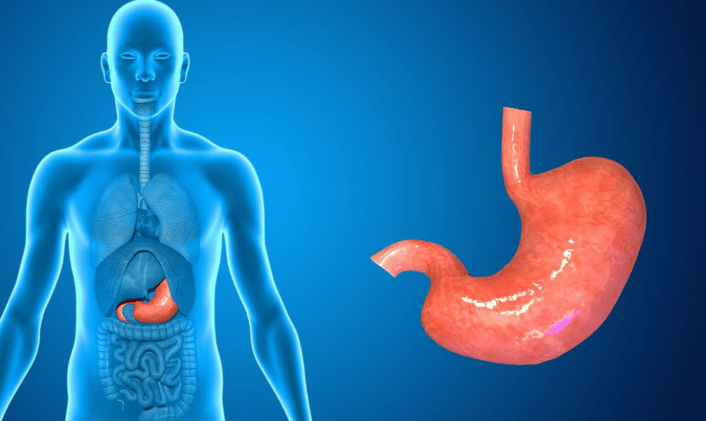
Stomach Infection: Causes, Symptoms, and Treatment
Stomach infections are common and affect people of all ages. While most cases are mild and resolve within a few days, some can cause severe discomfort and require medical attention. Understanding what causes a stomach infection, how to spot the symptoms, and the right treatment options can help you manage it effectively and prevent complications.
What is a Stomach Infection?
A stomach infection, often referred to as gastroenteritis, occurs when harmful microorganisms such as viruses, bacteria, or parasites infect the stomach and intestines. This leads to irritation and inflammation of the digestive tract, causing symptoms like diarrhea, nausea, and stomach cramps.
Common Causes of Stomach Infections
- Viral Infections – Viruses like norovirus and rotavirus are the most common culprits. They spread easily through contaminated food, water, or close contact.
- Bacterial Infections – Bacteria such as E. coli, Salmonella, and Shigella can cause severe food poisoning and stomach infections.
- Parasitic Infections – Parasites like Giardia and Entamoeba histolytica can lead to prolonged stomach problems.
- Contaminated Food or Water – Poor hygiene, undercooked meals, or unclean drinking water often trigger infections.
- Poor Sanitation and Hand Hygiene – Direct contact with infected surfaces or people can also spread the infection.
Symptoms of Stomach Infection
The symptoms vary depending on the cause, but common signs include:
- Diarrhea (watery or loose stools)
- Stomach pain and cramps
- Nausea and vomiting
- Fever and chills
- Headache and body aches
- Fatigue and dehydration
Treatment and Home Remedies
Most stomach infections clear up on their own within a few days, but treatment focuses on relieving symptoms and preventing dehydration.
- Stay Hydrated – Drink plenty of fluids, oral rehydration solutions (ORS), or clear soups to replace lost electrolytes.
- Eat Light – Stick to bland foods such as bananas, rice, applesauce, and toast (the BRAT diet) until your stomach settles.
- Avoid Irritants – Stay away from oily, spicy, or dairy-heavy foods during recovery.
- Over-the-Counter Medication – Anti-diarrheal medicines or fever reducers may help but should be taken with a doctor’s advice.
- Rest – Give your body time to heal.
When to See a Doctor
Seek medical help if you experience:
- High fever that doesn’t subside
- Blood in stool or vomit
- Severe dehydration (dizziness, dry mouth, little or no urination)
- Persistent diarrhea lasting more than 3–4 days
- Severe abdominal pain
Prevention Tips
- Wash hands regularly with soap and water
- Drink clean, filtered, or boiled water
- Cook food thoroughly and avoid undercooked meals
- Store food properly to prevent bacterial growth
- Maintain good personal and kitchen hygiene
Conclusion
Stomach infections can be uncomfortable, but with proper care and hydration, most cases improve within a few days. By practicing good hygiene, eating safe food, and seeking timely medical attention when needed, you can prevent complications and recover quickly.