

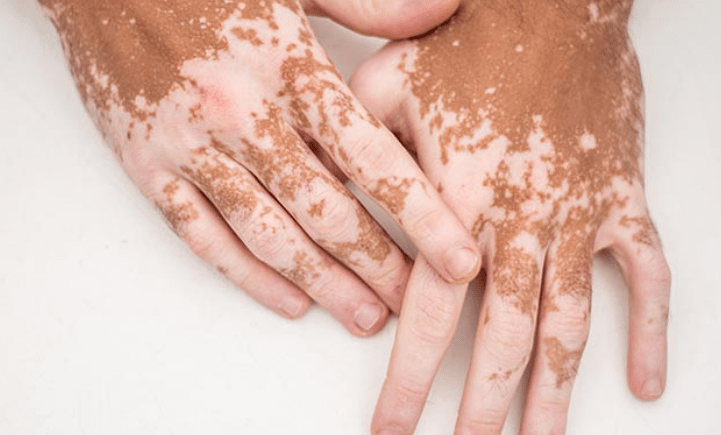
Vitiligo is a long-term skin condition characterized by the loss of pigment (melanin), resulting in white patches on the skin. It occurs when melanocytes—the pigment-producing cells—are destroyed. While vitiligo is not contagious or life-threatening, it can impact a person’s emotional well-being and self-confidence.
Though there is no guaranteed “cure” for vitiligo, many treatments and lifestyle approaches can help manage and, in some cases, restore pigment. Recovery from vitiligo often involves a combination of medical therapy, skin care, and psychological support.
1. Understanding the Causes and Types
Before addressing recovery, it’s important to understand vitiligo. Its exact cause is unknown, but factors may include:
- Autoimmune response (body attacking its own melanocytes)
- Genetics (family history of vitiligo or autoimmune disorders)
- Environmental triggers (stress, sunburn, skin trauma)
Types include:
- Segmental Vitiligo (affects one part/side of the body)
- Non-segmental Vitiligo (more common; symmetrical white patches)
2. Medical Treatments Available
Several medical approaches aim to restore color to affected areas or stop the spread of depigmentation:
Topical Corticosteroids
- Anti-inflammatory creams can help bring back pigment, especially in early stages.
- More effective in children and new cases.
Topical Calcineurin Inhibitors
- Useful for sensitive areas like the face and neck.
- Lower risk of side effects compared to steroids.
Phototherapy (UVB Light Therapy)
- Narrowband UVB therapy is widely used and can help stimulate melanocyte activity.
- Often used 2–3 times a week under medical supervision.
Excimer Laser
- A more targeted light therapy for small, stable patches.
Depigmentation (for extensive vitiligo)
- In cases where pigment loss is widespread, complete depigmentation may be considered to even out skin tone.
Skin Grafting and Cellular Therapy
- Surgical options may be available for stable vitiligo.
- Melanocyte transplant procedures are emerging as advanced solutions.
3. Natural Remedies and Lifestyle Support
While medical treatments are key, lifestyle choices can support recovery and prevent flare-ups.
Healthy Diet
- While no diet can cure vitiligo, some evidence suggests that a nutrient-rich, anti-inflammatory diet may support immune balance.
- Include:
- Foods rich in vitamin B12, folic acid, zinc, and copper
- Leafy greens, beets, carrots, nuts, seeds, and whole grains
- Avoid processed foods and excessive alcohol
Sun Protection
- Always apply broad-spectrum sunscreen.
- Reduces sunburn risk and helps prevent further pigment loss.
Stress Management
- Emotional stress is a known trigger.
- Practice meditation, yoga, or mindfulness to support mental well-being.
Herbal Options
- Some people explore turmeric, ginkgo biloba, or babchi oil, but consult with a dermatologist before use.
4. Emotional and Psychological Recovery
Vitiligo can impact mental health, especially in children and young adults.
Counseling and Support Groups
- Talking to a therapist can help cope with self-image issues.
- Joining vitiligo support communities fosters connection and confidence.
Cosmetic Options
- Temporary cover-ups, makeup, or self-tanning products can even out skin tone and boost self-esteem.
5. Early Diagnosis and Ongoing Care
Early detection can improve treatment results. If you notice new white patches, consult a dermatologist promptly. Regular follow-ups help monitor the condition and adjust treatment strategies as needed.
Conclusion
While vitiligo cannot always be reversed, many people experience partial or full repigmentation with the right treatment plan. Recovery is not just about the skin—it’s about rebuilding confidence, maintaining emotional balance, and taking care of your overall health.
With the growing range of therapies and increased awareness, vitiligo is becoming a more manageable condition than ever before.