

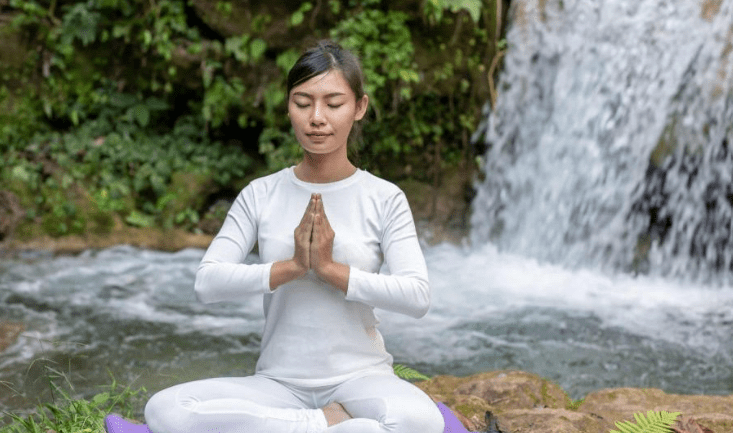
The Benefits of Meditation: A Path to Mental and Physical Well-Being
In today’s fast-paced world, where stress, anxiety, and constant distractions have become a part of daily life, meditation has emerged as a powerful tool to restore balance, calmness, and clarity. Practiced for centuries across different cultures, meditation is more than just sitting quietly—it is a practice of training the mind, fostering awareness, and nurturing overall well-being. Its benefits extend beyond mental health, positively impacting physical health, relationships, and productivity.
1. Reduces Stress and Anxiety
One of the most widely recognized benefits of meditation is stress reduction. By focusing on the present moment and practicing mindfulness, meditation helps calm the nervous system and lowers cortisol—the stress hormone. Regular practice can ease anxiety, reduce restlessness, and bring a sense of inner peace.
2. Improves Focus and Concentration
In a world filled with constant notifications and distractions, meditation strengthens the ability to stay focused. Mindfulness and breathing exercises enhance attention span and mental clarity. This improved concentration translates into greater productivity and better decision-making in everyday life.
3. Enhances Emotional Health
Meditation encourages self-awareness and emotional regulation. By observing thoughts without judgment, individuals become more resilient to negative emotions like anger, sadness, or fear. Over time, this cultivates a more positive outlook, boosts self-esteem, and supports overall emotional stability.
4. Promotes Better Sleep
Sleep disorders are often linked to stress and an overactive mind. Meditation helps quiet mental chatter, relaxes the body, and prepares the mind for restful sleep. Techniques like guided meditation or deep-breathing practices are especially helpful for those struggling with insomnia.
5. Boosts Physical Health
The benefits of meditation extend beyond the mind. Studies show that consistent practice can lower blood pressure, strengthen the immune system, and improve heart health. Meditation also reduces inflammation and encourages healthier lifestyle choices by fostering self-discipline and mindfulness.
6. Builds Stronger Relationships
By improving patience, empathy, and emotional regulation, meditation enhances how we connect with others. Practicing mindfulness in relationships encourages active listening, reduces conflicts, and deepens bonds with family, friends, and colleagues.
7. Encourages Self-Awareness and Growth
Meditation is a journey inward. It allows individuals to observe their thoughts and habits, leading to greater self-understanding. This self-awareness inspires personal growth, clarity of purpose, and a stronger connection to one’s values and goals.
Conclusion
Meditation is not just a spiritual or wellness practice—it is a life-enhancing habit that supports mental, emotional, and physical well-being. Whether practiced for a few minutes a day or in longer sessions, meditation provides tools to manage stress, build resilience, and live with greater clarity and peace. In a world where busyness often takes priority, pausing for meditation can be one of the most powerful steps toward a healthier, happier life.