

Rising Concerns Over the Global Spread of Dengue Fever
Health authorities worldwide are raising alarms as dengue fever cases continue to rise sharply across multiple regions in 2025. Once considered a seasonal tropical illness, dengue is now spreading more widely due to rapid urbanization, climate change, and increased travel.
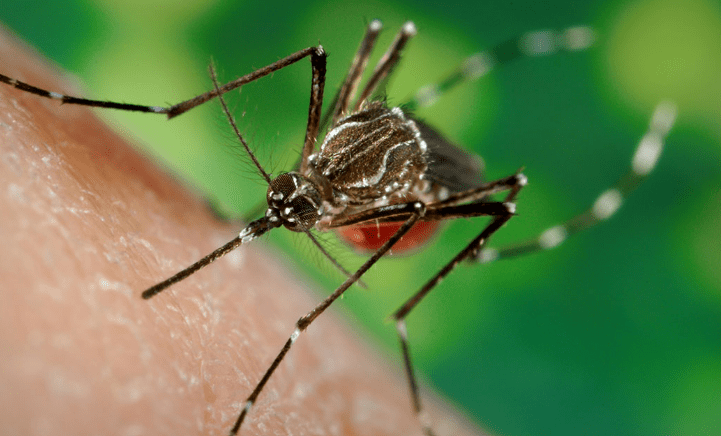
In South and Southeast Asia, major cities are witnessing record numbers of infections, with hospitals struggling to manage patient loads. Experts attribute this surge to warmer temperatures and heavy rainfall, which create ideal breeding grounds for mosquitoes that carry the virus. Public health officials are urging communities to take preventive measures such as eliminating standing water and using protective nets.
The World Health Organization has highlighted that dengue is no longer confined to tropical regions. Cases have been reported in parts of Europe and North America, raising concerns that the disease could become endemic in areas previously unaffected. Scientists are also working on improving vaccine distribution, as the current options are still limited and often restricted to certain age groups.
Doctors emphasize that while most cases are mild, severe dengue can be life-threatening if not treated on time. The growing number of outbreaks underscores the urgent need for coordinated international action, including investment in vector control, vaccine development, and stronger public health infrastructure.