

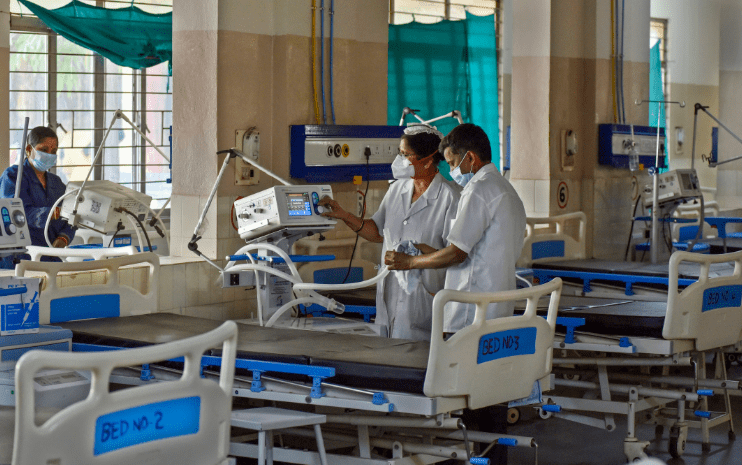
Government Hospitals Step Up with Advanced Treatments and Digital Health Initiatives Across India
In recent months, government hospitals across India have witnessed a transformative wave of modernization aimed at improving healthcare accessibility, affordability, and treatment quality. From AI-assisted diagnostics to upgraded infrastructure, the public healthcare system is moving toward a more patient-centric and technology-driven model, setting new standards in medical service delivery.
One of the major developments has been the introduction of AI-powered diagnostic tools in leading government hospitals such as AIIMS, Safdarjung Hospital, and PGIMER Chandigarh. These tools are being utilized for early detection of diseases like cancer, tuberculosis, and diabetes complications. AIIMS, for instance, has successfully piloted an AI-driven radiology screening system that reduces diagnostic time by nearly 40%, ensuring faster treatment for patients from rural and low-income backgrounds.
At the same time, the Ayushman Bharat Digital Mission (ABDM) is gaining strong momentum. More than 500 government hospitals have integrated digital patient records and telemedicine platforms, enabling remote consultations and easy access to medical history through the Ayushman Bharat Health Account (ABHA) ID. This move has drastically reduced waiting times and helped streamline referral systems across multiple states.
Infrastructure-wise, several government medical facilities are undergoing large-scale revamps under the Pradhan Mantri Swasthya Suraksha Yojana (PMSSY). Modern ICUs, robotic surgery units, and advanced maternity wards have been inaugurated in cities like Lucknow, Pune, and Bhubaneswar. In rural areas, district hospitals are now being equipped with dialysis centers and cancer screening clinics to bring specialized healthcare closer to underserved populations.
Additionally, the Central Government Health Scheme (CGHS) has expanded its coverage, introducing cashless facilities for pensioners and low-income families in more cities. New tie-ups with private labs have also been established to reduce the burden on public diagnostic centers, ensuring that critical patients receive timely test results and follow-up care.
The emphasis on preventive care has also strengthened through government hospital initiatives promoting nutrition, mental health counseling, and non-communicable disease (NCD) awareness programs. Regular health camps and screening drives are being conducted in collaboration with local authorities to identify early signs of chronic illnesses.
While challenges remain—such as staff shortages, overcrowding, and equipment maintenance—experts believe that the government’s continuous focus on healthcare infrastructure, coupled with the integration of technology and public welfare schemes, is setting a new benchmark for medical accessibility in India.
As the healthcare landscape evolves, government hospitals are not just treatment centers anymore; they are becoming symbols of inclusivity, innovation, and hope for millions of citizens seeking affordable and quality healthcare.