

Understanding Thyroid: Causes, Symptoms, Diagnosis, and Treatment
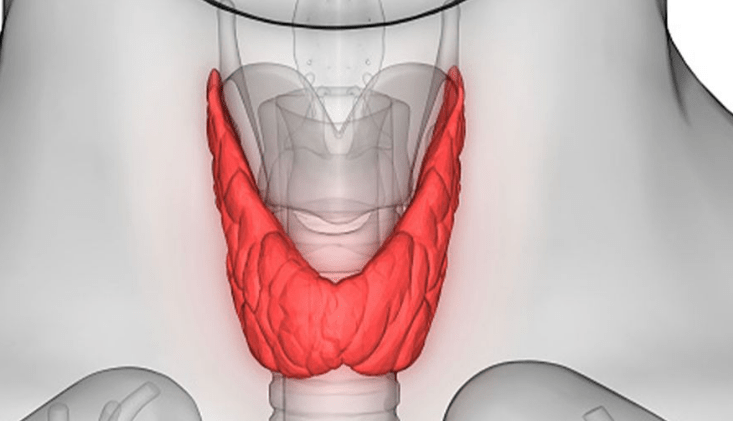
The thyroid is a small, butterfly-shaped gland located at the base of the neck, just below the Adam’s apple. Despite its size, this gland plays a vital role in regulating the body’s metabolism, energy production, and overall growth and development. It produces two primary hormones—thyroxine (T4) and triiodothyronine (T3)—that control how the body uses energy. Any imbalance in thyroid hormone levels can lead to various health complications, primarily categorized as hypothyroidism, hyperthyroidism, goiter, or thyroid nodules.
Types of Thyroid Disorders
- Hypothyroidism (Underactive Thyroid):
This occurs when the thyroid gland does not produce enough thyroid hormones. It can slow down the body’s metabolism, leading to fatigue, weight gain, cold intolerance, dry skin, and depression. Hashimoto’s thyroiditis, an autoimmune condition, is the most common cause. - Hyperthyroidism (Overactive Thyroid):
When the thyroid gland produces excess thyroid hormones, it accelerates metabolism. Symptoms include weight loss, rapid heartbeat, nervousness, excessive sweating, tremors, and sleep disturbances. Graves’ disease, another autoimmune disorder, is a leading cause. - Goiter:
An abnormal enlargement of the thyroid gland, goiter can occur due to iodine deficiency, autoimmune diseases, or nodular growths. - Thyroid Nodules and Cancer:
Small lumps or growths in the thyroid can be benign or malignant. While most nodules are noncancerous, some can be cancerous and need immediate evaluation.
Common Causes of Thyroid Disorders
- Autoimmune Diseases: Conditions like Hashimoto’s thyroiditis and Graves’ disease attack the thyroid gland.
- Iodine Deficiency or Excess: Both can disrupt thyroid hormone production.
- Genetics and Family History: A family history of thyroid disorders increases susceptibility.
- Hormonal Changes: Pregnancy, menopause, or stress-related hormonal fluctuations can trigger thyroid issues.
- Medications and Radiation: Certain drugs or treatments for cancer can impact thyroid function.
Symptoms to Watch For
Thyroid disorders often present with subtle, easily overlooked symptoms. Key indicators include:
- Persistent fatigue or weakness
- Unexplained weight gain or loss
- Hair thinning and brittle nails
- Sensitivity to cold or heat
- Mood swings, anxiety, or depression
- Swelling in the neck (possible goiter)
- Irregular heartbeat or palpitations
- Changes in appetite and digestion
Diagnosis and Tests
Thyroid disorders can be diagnosed through a combination of clinical evaluation and laboratory tests:
- Blood Tests: TSH (Thyroid Stimulating Hormone), T4, T3, and thyroid antibody levels help determine gland function.
- Ultrasound: Detects nodules, cysts, or irregularities in the gland.
- Radioactive Iodine Uptake Test: Measures how much iodine the thyroid absorbs, aiding in the assessment of hyperthyroidism.
- Fine-Needle Aspiration (FNA) Biopsy: Used to evaluate suspicious nodules for cancer.
Treatment Options
Treatment depends on the specific disorder:
- For Hypothyroidism:
Lifelong hormone replacement therapy (levothyroxine) is the standard treatment. - For Hyperthyroidism:
Anti-thyroid medications (like methimazole), radioactive iodine therapy, or surgery may be recommended. - For Goiter or Nodules:
Treatment varies from monitoring to surgery if nodules are large, cancerous, or causing symptoms. - Lifestyle Support:
A balanced diet rich in iodine (but not excessive), selenium, and zinc, regular exercise, stress management, and sufficient sleep can help regulate thyroid function.
When to See a Doctor
Persistent fatigue, weight fluctuations, or swelling in the neck should not be ignored. Early detection through routine checkups and blood tests can prevent complications like heart problems, infertility, or severe hormonal imbalances.
Final Thoughts
The thyroid gland is small but central to the body’s metabolism and energy balance. Awareness of symptoms, regular health screenings, and timely medical intervention are key to maintaining thyroid health. With proper treatment and lifestyle adjustments, most people with thyroid disorders lead healthy, normal lives.