

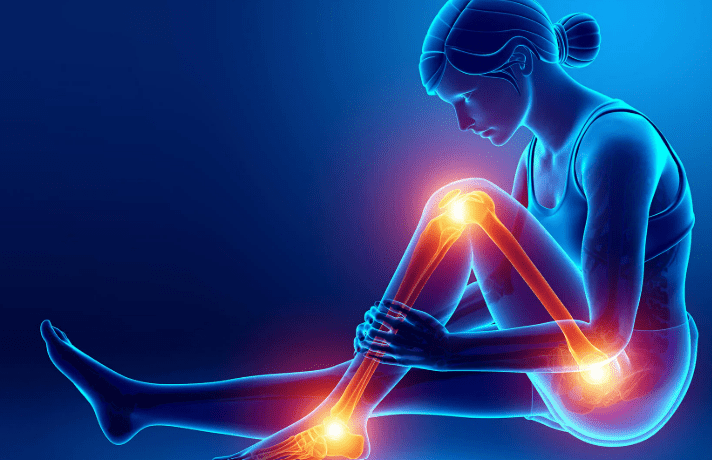
Understanding Body Paralysis: Causes, Symptoms, and Treatment Options
Body paralysis is a medical condition characterized by the partial or complete loss of muscle function in one or more parts of the body. It occurs when communication between the brain and muscles is disrupted, leading to the inability to move or control the affected area. The condition can develop suddenly, as in the case of a stroke or spinal cord injury, or gradually due to progressive neurological diseases.
Types of Paralysis
Paralysis can affect different parts of the body, and its severity depends on the underlying cause and location of nerve damage. The main types include:
- Monoplegia – Affects only one limb, such as an arm or a leg.
- Hemiplegia – Impacts one side of the body (right or left), commonly seen in stroke patients.
- Paraplegia – Involves paralysis of both legs and sometimes the lower part of the body.
- Quadriplegia (Tetraplegia) – Affects all four limbs and the torso, typically caused by spinal cord injury or severe brain trauma.
Common Causes
Paralysis can result from a wide range of medical conditions and injuries. Some of the most common causes include:
- Stroke: The leading cause of paralysis worldwide. When blood flow to a part of the brain is blocked or reduced, brain cells die, leading to muscle weakness or paralysis.
- Spinal Cord Injury: Damage to the spinal cord from accidents, falls, or trauma can disrupt nerve signals between the brain and body.
- Multiple Sclerosis (MS): An autoimmune disease where the immune system attacks nerve coverings, affecting muscle control.
- Cerebral Palsy: A congenital disorder affecting movement and muscle tone, often due to brain damage before or during birth.
- Guillain-Barré Syndrome: A rare disorder where the immune system attacks nerves, causing temporary paralysis.
- Brain or Nerve Tumors: These can compress vital nerves or brain regions responsible for movement.
Symptoms
Symptoms of paralysis vary depending on the cause and extent of nerve damage. They may include:
- Inability to move affected body parts
- Loss of sensation or numbness
- Muscle stiffness or spasms
- Loss of bladder or bowel control
- Difficulty breathing or swallowing (in severe cases)
- Weakness or tingling before paralysis onset
Diagnosis
Doctors use a combination of physical exams, imaging, and nerve studies to diagnose paralysis. Common diagnostic tools include:
- MRI and CT Scans: To detect brain or spinal cord damage.
- Electromyography (EMG): To measure electrical activity in muscles.
- Nerve Conduction Studies: To evaluate nerve signal transmission.
- Blood Tests: To rule out infections or autoimmune causes.
Treatment and Rehabilitation
While paralysis cannot always be cured, treatment focuses on improving quality of life, restoring as much function as possible, and preventing complications. Key approaches include:
- Physical Therapy: Helps maintain muscle strength, flexibility, and circulation.
- Occupational Therapy: Assists patients in relearning daily activities using adaptive tools.
- Medications: Such as muscle relaxants, pain relievers, or drugs to treat underlying conditions.
- Surgery: May be required to repair nerve damage or remove tumors.
- Assistive Devices: Wheelchairs, braces, or robotic exoskeletons can improve mobility.
- Stem Cell Therapy and Neurorehabilitation: Emerging treatments showing promise in nerve regeneration and recovery.
Living with Paralysis
Adjusting to life with paralysis requires physical, emotional, and social support. Counseling, community support groups, and family involvement play vital roles in recovery. With technological advancements and medical innovations, many people with paralysis lead active, fulfilling lives.
Conclusion
Body paralysis is a complex condition that affects not just physical movement but also emotional and psychological well-being. Early diagnosis, timely treatment, and continuous rehabilitation are essential in improving outcomes. While complete recovery may not always be possible, modern medicine offers numerous options to enhance independence and quality of life for individuals living with paralysis.