

Psoriasis Disease and Precaution: What You Need to Know
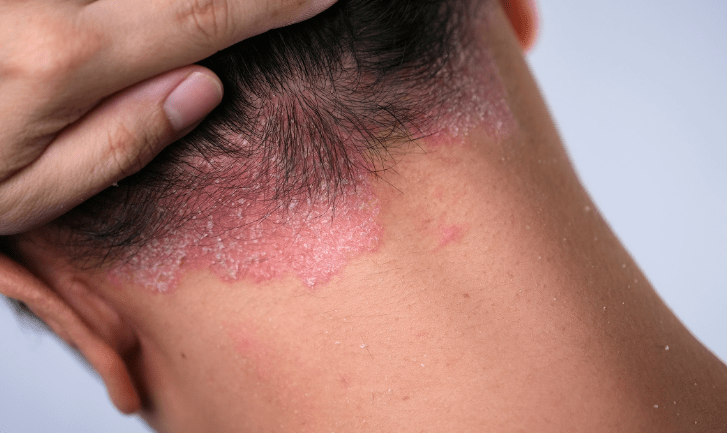
Psoriasis is a chronic autoimmune skin condition that causes the rapid buildup of skin cells, leading to scaling, inflammation, and redness. It often appears on the scalp, elbows, knees, and lower back but can affect any part of the body. While not contagious, psoriasis can impact a person’s quality of life physically and emotionally.
Causes and Triggers:
The exact cause of psoriasis is still under research, but it is believed to be linked to an overactive immune system. Genetic factors and environmental triggers also play a significant role. Common triggers include stress, cold weather, infections, smoking, heavy alcohol consumption, and certain medications.
Types of Psoriasis:
- Plaque Psoriasis (most common)
- Guttate Psoriasis
- Inverse Psoriasis
- Pustular Psoriasis
- Erythrodermic Psoriasis (rare and severe)
Precautions and Management Tips:
- Avoid Triggers: Keep a journal to identify and avoid specific triggers.
- Skin Care: Use moisturizing creams and ointments to prevent dryness.
- Healthy Lifestyle: A balanced diet, regular exercise, and stress management can significantly reduce flare-ups.
- Medical Treatment: Topical treatments, phototherapy, and systemic medications can help control symptoms.
Conclusion:
Although psoriasis has no permanent cure, it can be managed effectively with early diagnosis, the right treatment plan, and lifestyle adjustments. Consulting a dermatologist regularly is key to long-term control.