

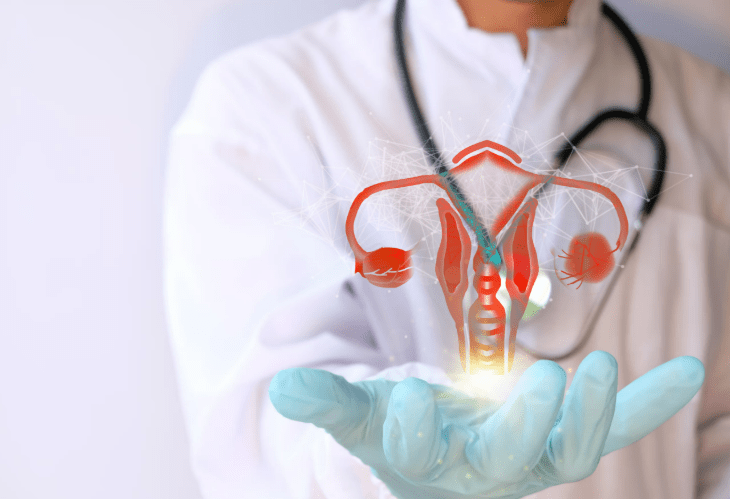
Women’s Health: Prioritizing Wellness for a Stronger Future
Women’s health is a multifaceted subject encompassing physical, mental, and reproductive well-being. While many health challenges are common to all genders, women face unique biological, social, and psychological factors that necessitate specialized care and attention. From adolescence through menopause and beyond, addressing women’s health holistically is essential for longevity, productivity, and quality of life.
Reproductive Health and Hormonal Balance
Reproductive health is a central aspect of women’s wellness. Conditions such as menstrual irregularities, polycystic ovary syndrome (PCOS), endometriosis, and menopause-related changes can significantly impact daily life and long-term health. Regular gynecological check-ups, including Pap smears, pelvic exams, and breast screenings, help detect abnormalities early, reducing the risk of complications such as cervical or breast cancer. Hormonal balance, influenced by thyroid function, estrogen, and progesterone, affects mood, metabolism, bone health, and cardiovascular risk. Monitoring and managing these hormones through medical guidance, lifestyle changes, and, if necessary, hormone therapy, is crucial for maintaining overall wellness.
Mental Health and Emotional Well-Being
Mental health is deeply intertwined with women’s physical health. Women are statistically more prone to depression, anxiety, and stress-related disorders, often exacerbated by societal pressures, hormonal fluctuations, and caregiving responsibilities. Prioritizing mental health through counseling, mindfulness practices, regular physical activity, and adequate rest is vital. Awareness and early intervention can prevent chronic mental health conditions and improve emotional resilience, enabling women to manage life’s challenges effectively.
Nutrition and Fitness
Proper nutrition and regular physical activity are essential pillars of women’s health. Women require sufficient intake of iron, calcium, folic acid, and vitamins to support reproductive health, bone strength, and overall energy levels. Iron-rich foods are crucial to prevent anemia, especially during menstruation, while calcium and vitamin D reduce the risk of osteoporosis later in life. Exercise not only maintains a healthy weight but also improves cardiovascular fitness, reduces stress, strengthens bones, and enhances mental well-being. A combination of aerobic exercises, strength training, and flexibility routines provides comprehensive benefits.
Preventive Health Measures
Preventive care is vital in safeguarding women’s health. Vaccinations such as HPV, influenza, and tetanus protect against infections and prevent complications. Regular screenings for breast, cervical, and ovarian cancers enable early detection and effective treatment. Routine health checks for blood pressure, cholesterol, and blood sugar help prevent chronic conditions like diabetes and heart disease, which are increasingly affecting women worldwide. Additionally, education about safe lifestyle practices, sexual health, and reproductive planning empowers women to make informed choices.
Addressing Societal and Lifestyle Challenges
Women’s health is also influenced by societal and lifestyle factors. Workplace stress, caregiving burdens, limited access to healthcare, and social stigma around discussing reproductive or mental health issues can impede wellness. Encouraging supportive environments, flexible work policies, community programs, and open dialogue about women’s health challenges helps create a society where women can prioritize their well-being without compromise.
Conclusion
Women’s health is a comprehensive concept that demands attention at every stage of life. By focusing on reproductive wellness, mental health, nutrition, fitness, and preventive care, women can achieve balanced health and resilience against illnesses. Society, healthcare systems, and individuals must work together to remove barriers, provide education, and foster environments that support women’s health holistically. Prioritizing women’s health is not only an investment in individual well-being but also a vital step towards stronger families, communities, and societies.