

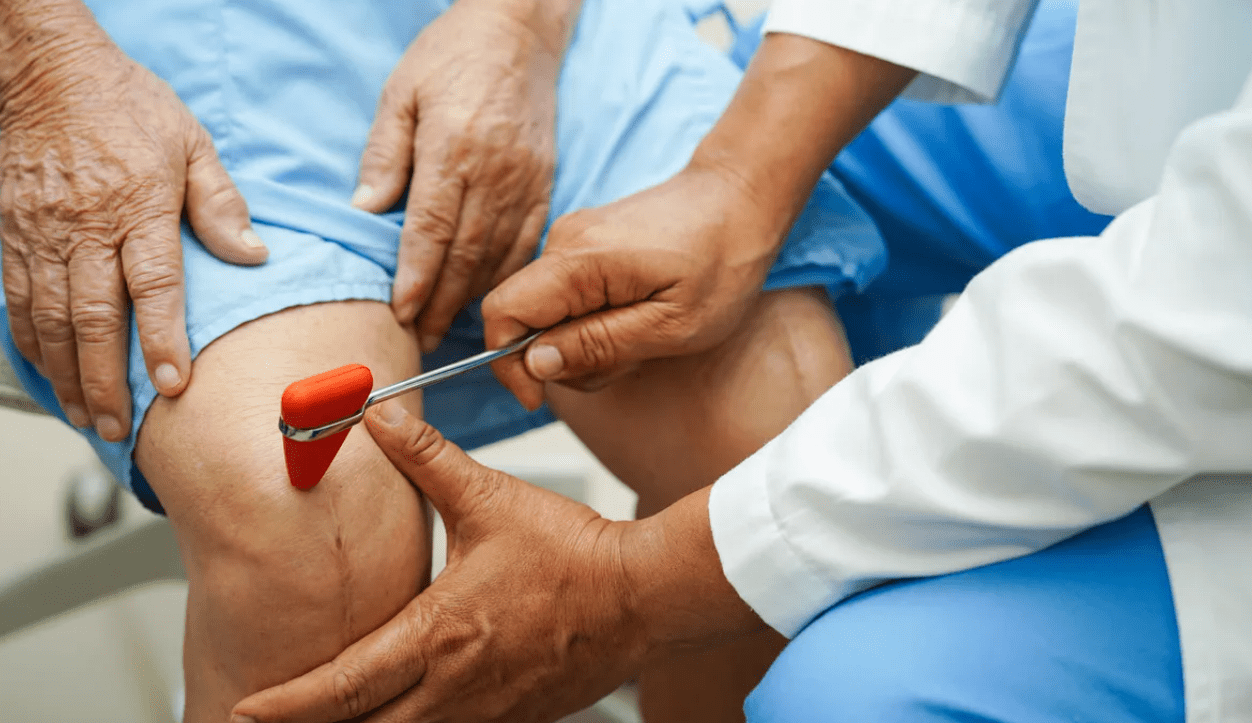
Understanding the Complexity of Knee Replacement Surgery: What Patients Should Expect
Ventilators are among the most crucial life-saving devices in hospitals, especially in intensive care units (ICUs). Whether during severe infections, accidents, cardiac events, or post-surgery recovery, ventilators provide the essential support that allows patients’ lungs to rest and heal. The evolution of ventilator technology has transformed survival rates and clinical outcomes significantly in recent years.
Why a Patient Needs a Ventilator
A ventilator becomes necessary when a patient cannot breathe independently due to:
- Pneumonia or severe lung infections
- COVID-19-related respiratory distress
- Asthma attacks
- Organ failure
- Trauma or major accidents
- Stroke or neurological conditions
- Post-operative complications
The machine delivers oxygen, removes carbon dioxide, and maintains steady breathing rhythms that are impossible for the patient to sustain on their own.
How Ventilators Actually Work
Contrary to common belief, ventilators do not “breathe for you” entirely; they assist or take over depending on the severity of the condition. Sensors continuously monitor the lungs’ pressure and volume, adjusting airflow to match natural breathing patterns.
Different ventilation modes—CPAP, BiPAP, Volume Control, Pressure Control—are chosen based on real-time patient needs. Modern ventilators also come equipped with high-precision alarms, safety mechanisms, and adaptive algorithms that minimize lung injury and accelerate healing.
The Role of ICU Doctors and Nurses
Ventilator management is a 24/7 responsibility. ICU specialists continuously observe:
- Oxygen saturation
- Blood gas levels
- Chest movement
- Heart rate
- Temperature
- Patient comfort levels
Even slight misadjustments can cause complications, so ventilator care requires expert precision.
When and How Doctors Wean Patients Off Ventilators
The process of removing a patient from ventilator support—known as “weaning”—is gradual and carefully monitored. Doctors assess:
- Strength of breathing muscles
- Lung function
- Infection recovery
- Mental alertness
- Blood oxygen stability
Patients are slowly transitioned to assisted modes before full independence. Successful weaning is a major milestone in a patient’s recovery journey.
The Human Side of Ventilator Care
While ventilators save lives, the emotional toll on families is immense. Waiting outside an ICU, hoping for improvement, can be one of the most stressful experiences. At the same time, the dedication of healthcare teams working tirelessly behind those doors demonstrates just how critical and compassionate critical care medicine truly is.
Modern ventilators are not just machines—they are a bridge between a patient’s most vulnerable moment and their path back to life.