

Understanding ECG and Other Essential Diagnostic Tests in Cardiac Care
Heart disease remains one of the leading causes of death globally, making early detection and timely treatment crucial. Diagnostic tests play a significant role in identifying heart conditions, guiding treatment, and improving patient outcomes. Among these tests, electrocardiogram (ECG or EKG) is one of the most common and essential procedures. However, it is just one of many tools doctors use to evaluate heart health.
This article explains ECG and other key cardiac diagnostic tests and treatments that support heart care.
🫀 What is an ECG (Electrocardiogram)?
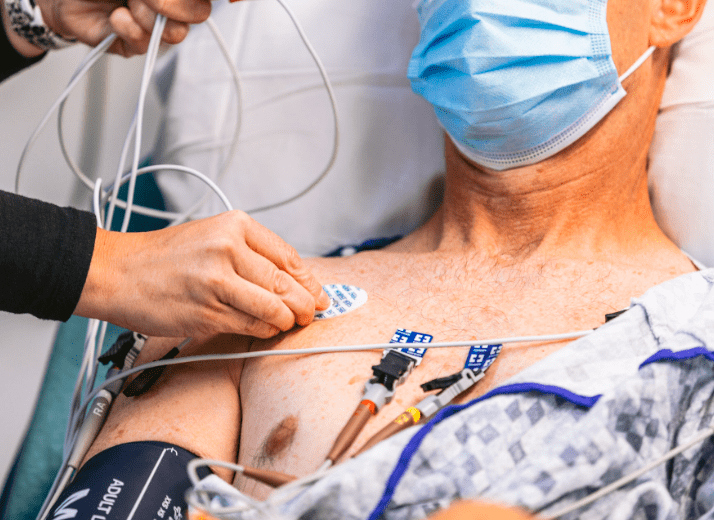
An ECG is a simple, non-invasive test that records the electrical activity of the heart over a short period. Electrodes are placed on the chest, arms, and legs to detect electrical signals generated during heartbeats.
🔍 Why is ECG Done?
- To detect arrhythmias (abnormal heart rhythms)
- Identify signs of heart attack or damage from a previous attack
- Diagnose poor blood flow (ischemia) to the heart
- Monitor the effects of cardiac medication
- Evaluate heart health before surgery
⏱️ Test Duration: Usually takes 5–10 minutes
🧪 Results: Can show abnormalities in rhythm, rate, or structure
🩺 Other Important Cardiac Diagnostic Tests
1. Echocardiogram (Echo)
- What It Is: A non-invasive ultrasound of the heart
- Purpose: Evaluates heart structure, function, valves, and blood flow
- Benefits: Helps detect heart failure, valve disorders, and congenital defects
2. Stress Test (Treadmill or Exercise ECG)
- What It Is: ECG monitored while the patient walks or runs on a treadmill
- Purpose: Measures heart’s response to physical activity
- Benefits: Detects coronary artery disease, exercise-related arrhythmias, and fitness level
3. Holter Monitor
- What It Is: A portable ECG device worn for 24–48 hours
- Purpose: Records continuous heart activity to catch intermittent arrhythmias
- Ideal For: Patients with unexplained palpitations, dizziness, or irregular heartbeats
4. Cardiac CT or MRI
- Cardiac CT Scan: Uses X-rays to create detailed heart and blood vessel images
- Cardiac MRI: Uses magnetic fields for high-resolution images
- Purpose: Identifies blocked arteries, heart structure abnormalities, and damage after heart attack
5. Coronary Angiography (Cardiac Catheterization)
- What It Is: A minimally invasive procedure where a catheter is inserted into the heart’s arteries with contrast dye
- Purpose: Clearly shows blockages or narrowing in the coronary arteries
- Often Used When: ECG or stress test suggests possible coronary artery disease
💊 Common Treatments After Diagnosis
Once a heart condition is diagnosed, several treatment options may follow depending on the severity and type of issue:
✅ Lifestyle Modifications
- Diet changes (low sodium, heart-healthy foods)
- Exercise
- Smoking cessation
- Stress management
✅ Medications
- Beta-blockers
- ACE inhibitors
- Blood thinners (anticoagulants)
- Statins (cholesterol-lowering)
✅ Minimally Invasive Procedures
- Angioplasty with stent placement
- Pacemaker or defibrillator implantation
✅ Surgery
- Coronary artery bypass grafting (CABG)
- Valve repair or replacement
🧠 Final Thoughts
Early detection is the key to effective treatment of heart conditions. While ECG remains a fundamental tool in cardiac diagnostics, it is often complemented by other advanced tests like echocardiograms, Holter monitors, and angiography for a complete picture of heart health.
If you experience chest pain, palpitations, breathlessness, or dizziness, don’t ignore it. Consult a cardiologist and undergo the necessary tests. A timely diagnosis can save lives — and lead to better treatment and recovery.