

Psoriasis: Causes, Symptoms, Types, and Treatment Options Explained
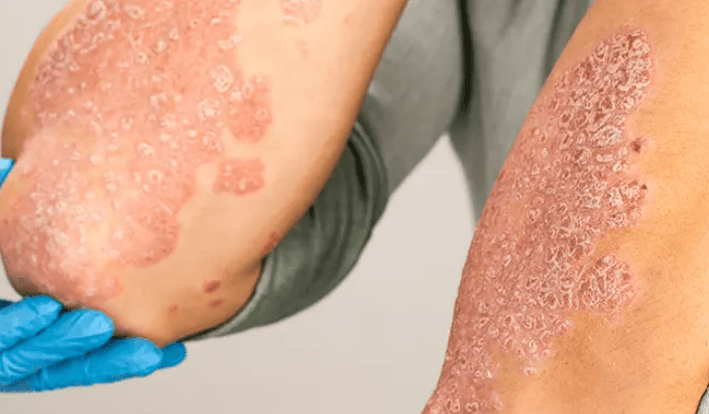
Psoriasis is a chronic autoimmune skin disease that affects millions of people worldwide. It occurs when the immune system mistakenly speeds up the life cycle of skin cells, causing them to build up rapidly on the surface of the skin. This buildup leads to thick, red, inflamed patches covered with silvery-white scales, which can be itchy, painful, and emotionally distressing. Although psoriasis is not contagious, it is a lifelong condition that can flare up and subside over time.
Psoriasis does not only affect the skin; in many cases, it is associated with systemic inflammation that can impact joints, mental health, and overall quality of life. Understanding the disease, its triggers, and treatment options is essential for effective management.
What Causes Psoriasis?
Psoriasis is primarily caused by an overactive immune response. Instead of protecting the body, the immune system triggers inflammation and accelerates skin cell production. Normally, skin cells regenerate every 28–30 days, but in people with psoriasis, this process occurs in just 3–4 days, leading to excessive skin buildup.
Key causes and contributing factors include:
- Autoimmune dysfunction, where T-cells attack healthy skin cells
- Genetic predisposition, as psoriasis often runs in families
- Environmental triggers, which activate the condition in genetically susceptible individuals
- Chronic inflammation, affecting both skin and internal systems
While genetics play a strong role, not everyone with a family history develops psoriasis, indicating that external triggers are equally important.
Common Triggers of Psoriasis Flare-Ups
Psoriasis symptoms can worsen or flare due to specific physical, emotional, or environmental triggers. Identifying and avoiding these triggers can significantly help in managing the condition.
Common triggers include:
- Stress and anxiety
- Cold or dry weather
- Skin injuries such as cuts, burns, or insect bites
- Infections, especially throat infections like strep throat
- Certain medications, including beta-blockers and lithium
- Smoking and excessive alcohol consumption
- Hormonal changes, particularly in women
Triggers vary from person to person, making personalized management crucial.
Symptoms of Psoriasis
Psoriasis symptoms can range from mild to severe and differ based on the type of psoriasis. The most common signs include visible skin changes as well as physical discomfort.
Typical symptoms include:
- Red patches of skin covered with thick, silvery scales
- Dry, cracked skin that may bleed
- Persistent itching, burning, or soreness
- Thickened, ridged, or pitted nails
- Joint pain or stiffness (in some cases)
Symptoms often appear symmetrically on the body and may go through cycles of flare-ups and remission.
Types of Psoriasis
Psoriasis manifests in several forms, each with distinct characteristics. Understanding the type helps guide appropriate treatment.
Major types include:
- Plaque Psoriasis: The most common type, characterized by raised red patches with white scales, commonly found on elbows, knees, scalp, and lower back
- Guttate Psoriasis: Appears as small, drop-shaped lesions, often triggered by bacterial infections
- Inverse Psoriasis: Smooth, shiny red patches in skin folds such as underarms and groin
- Pustular Psoriasis: White pus-filled blisters surrounded by red skin
- Erythrodermic Psoriasis: A rare but severe form causing widespread redness and skin shedding
- Nail Psoriasis: Causes nail discoloration, thickening, and separation from the nail bed
Psoriatic Arthritis: A Serious Complication
Up to 30% of people with psoriasis may develop psoriatic arthritis, a condition that causes joint inflammation and can lead to permanent joint damage if untreated.
Common signs include:
- Swollen, painful joints
- Morning stiffness
- Reduced range of motion
- Fatigue
Early diagnosis is essential to prevent long-term disability.
Is There a Cure for Psoriasis?
Currently, there is no permanent cure for psoriasis, but the condition can be effectively managed with proper treatment and lifestyle changes. Many people achieve long periods of remission where symptoms are minimal or absent.
Treatment focuses on:
- Slowing skin cell growth
- Reducing inflammation
- Relieving symptoms such as itching and scaling
- Preventing flare-ups and complications
Treatment Options for Psoriasis
Treatment depends on the severity, type, and location of psoriasis. A combination of therapies is often used for better control.
Topical Treatments
- Corticosteroid creams
- Vitamin D analogues
- Coal tar preparations
- Moisturizers to reduce dryness and scaling
Phototherapy
- Controlled exposure to ultraviolet (UV) light
- Helps slow skin cell growth and reduce inflammation
Systemic and Biologic Treatments
- Oral medications that suppress immune activity
- Biologic injections targeting specific immune pathways
- Used for moderate to severe psoriasis
Medical supervision is essential when using systemic treatments due to potential side effects.
Lifestyle Changes That Help Manage Psoriasis
Lifestyle adjustments play a critical role in controlling symptoms and reducing flare-ups.
Helpful practices include:
- Maintaining a healthy weight
- Managing stress through yoga or meditation
- Eating an anti-inflammatory, balanced diet
- Avoiding smoking and limiting alcohol
- Keeping skin well-moisturized
- Getting adequate sleep
These changes complement medical treatments and improve overall well-being.
Mental and Emotional Impact of Psoriasis
Psoriasis can significantly affect mental health, leading to anxiety, low self-esteem, and depression. Visible symptoms may cause social discomfort and emotional distress.
Support strategies include:
- Counseling or therapy
- Support groups
- Education and awareness
- Open communication with healthcare providers
Addressing mental health is as important as treating physical symptoms.
Conclusion
Psoriasis is a complex, chronic autoimmune disease that goes beyond the skin. While it cannot be cured permanently, modern treatments and lifestyle management allow most people to live full, active lives. Early diagnosis, trigger management, consistent treatment, and emotional support are key to controlling the disease and preventing complications. Increased awareness and understanding can help reduce stigma and improve quality of life for those living with psoriasis.