

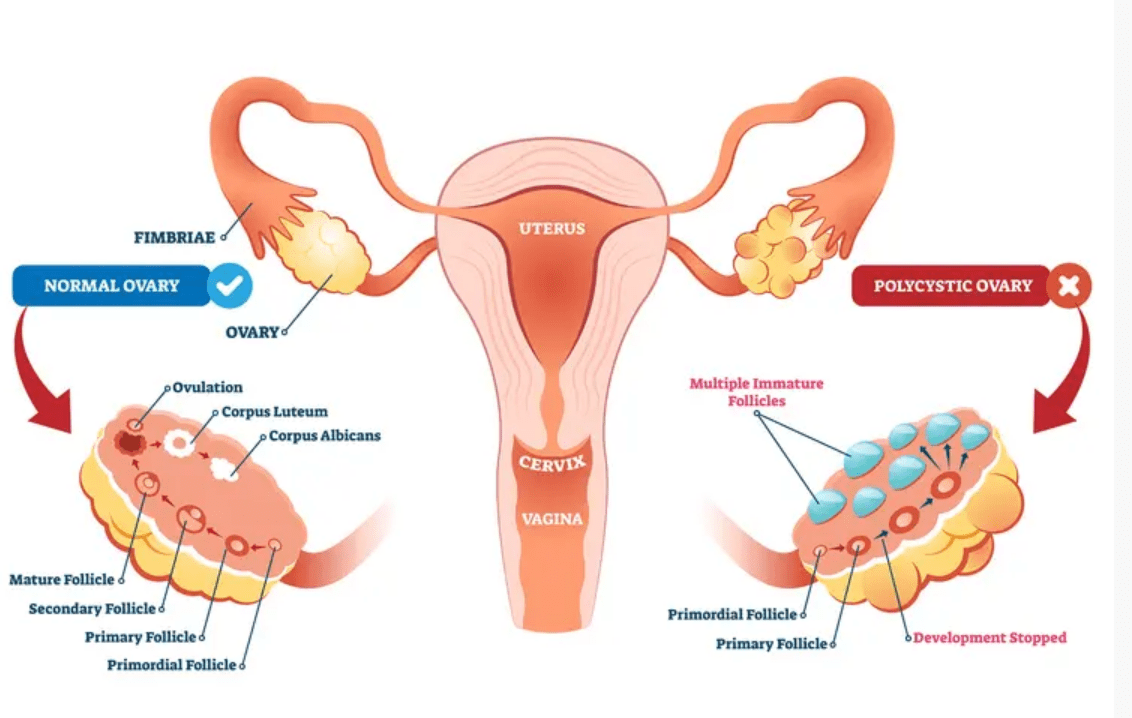
PCOS Hormonal Imbalance: Understanding the Root Cause, Symptoms, and Impact on Women’s Health
Polycystic Ovary Syndrome (PCOS) is one of the most common hormonal disorders affecting women of reproductive age. It is not just a reproductive issue but a complex endocrine condition that impacts multiple systems in the body. At the core of PCOS lies a significant hormonal imbalance that disrupts normal bodily functions, leading to a wide range of physical, emotional, and metabolic symptoms.
What is Hormonal Imbalance in PCOS?
Hormonal imbalance in PCOS occurs when there is a disruption in the normal levels of reproductive and metabolic hormones. The key hormones involved include:
- Androgens (Male Hormones): Women with PCOS often have elevated levels of androgens such as testosterone. This leads to symptoms like acne, excessive hair growth, and scalp hair thinning.
- Insulin: Many women with PCOS experience insulin resistance, where the body cannot effectively use insulin. This causes the pancreas to produce more insulin, which in turn increases androgen production.
- Estrogen and Progesterone: The imbalance between these hormones disrupts ovulation, leading to irregular menstrual cycles.
- Luteinizing Hormone (LH): Elevated LH levels can interfere with ovulation and contribute to cyst formation in the ovaries.
This hormonal disruption creates a cycle where each imbalance worsens the other, making PCOS a chronic condition that requires long-term management.
Common Symptoms of PCOS Hormonal Imbalance
The symptoms of PCOS can vary from person to person, but most are linked to the underlying hormonal disturbance. These symptoms may develop gradually or become more noticeable over time.
1. Irregular Periods
One of the earliest signs of PCOS is irregular or missed menstrual cycles. Some women may have fewer periods (oligomenorrhea), while others may experience prolonged or heavy bleeding.
2. Weight Gain and Difficulty Losing Weight
Hormonal imbalance, especially insulin resistance, leads to weight gain—particularly around the abdomen. Losing weight becomes challenging even with diet and exercise.
3. Acne and Oily Skin
Elevated androgen levels stimulate excess oil production, leading to persistent acne, especially on the face, chest, and back.
4. Excess Hair Growth (Hirsutism)
Unwanted hair growth on the face, chin, chest, or abdomen is a common symptom due to increased testosterone levels.
5. Hair Thinning or Hair Fall
While hair grows excessively in unwanted areas, scalp hair may thin or fall out, resembling male-pattern baldness.
6. Dark Patches on Skin
Insulin resistance can cause dark, velvety patches of skin, especially around the neck, underarms, and groin area (a condition known as acanthosis nigricans).
7. Fertility Issues
Irregular ovulation or lack of ovulation makes it difficult for women with PCOS to conceive naturally.
8. Mood Swings, Anxiety, and Depression
Hormonal fluctuations can significantly impact mental health, leading to mood swings, stress, anxiety, and even depression.
9. Fatigue and Low Energy Levels
Insulin resistance and hormonal imbalance often cause constant tiredness and lack of energy.
10. Sleep Problems
Many women with PCOS experience insomnia or poor sleep quality, which further worsens hormonal imbalance.
Long-Term Health Risks
If left unmanaged, PCOS hormonal imbalance can lead to several long-term health complications, such as:
- Type 2 diabetes
- High blood pressure
- Heart disease
- Endometrial cancer
- Metabolic syndrome
Emotional and Psychological Impact
Beyond physical symptoms, PCOS can deeply affect a woman’s self-esteem and emotional well-being. Issues like acne, weight gain, and hair loss can lead to body image concerns. Combined with hormonal mood fluctuations, this can create a cycle of stress and anxiety that further worsens the condition.
Conclusion
PCOS hormonal imbalance is not just about irregular periods—it is a multifaceted condition that affects the entire body. Understanding the symptoms early can help in timely diagnosis and better management. While there is no permanent cure for PCOS, lifestyle changes, proper medical guidance, and hormonal balance strategies can significantly improve quality of life.
Awareness, consistency, and self-care are key to managing PCOS effectively and leading a healthy, balanced life.