

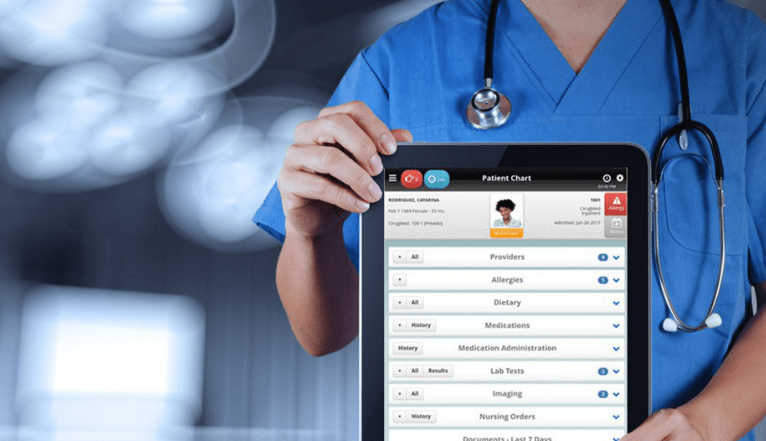
Hospital Management System: Transforming Healthcare Operations
We are delivering outstanding user experiences by designing and realizing digital solutions through Information as per their requirements along with consultancy and IT Professional Service Providers.
In today’s fast-paced healthcare environment, hospitals face constant pressure to deliver high-quality patient care while maintaining efficiency, accuracy, and cost-effectiveness. The Hospital Management System (HMS) has emerged as a comprehensive digital solution that revolutionizes how healthcare institutions operate, bridging the gap between patients, doctors, administrators, and support staff.
What is a Hospital Management System?
A Hospital Management System is an integrated software platform designed to manage all aspects of a hospital’s operations. It automates and streamlines administrative, financial, and clinical processes to improve service delivery and reduce human error. By consolidating data across departments, HMS ensures that every stakeholder—from doctors to patients—has access to accurate and real-time information.
Key Features of a Hospital Management System
- Patient Management
- Digital patient registration, admissions, and discharge
- Centralized electronic medical records (EMR)
- Appointment scheduling with doctors and specialists
- Doctor & Staff Management
- Duty rosters and staff scheduling
- Access to patient records for better decision-making
- Performance and workload tracking
- Billing & Finance
- Automated billing for consultations, treatments, and surgeries
- Integration with insurance claims and payment gateways
- Transparent cost tracking and financial reporting
- Pharmacy & Inventory Management
- Stock tracking for medicines and medical supplies
- Alerts for low inventory and expiry dates
- Seamless integration with patient prescriptions
- Laboratory & Diagnostic Management
- Online lab test booking and result reporting
- Automated report generation
- Reduced turnaround time for diagnosis
- Data Security & Compliance
- Secure storage of patient information
- Role-based access to sensitive data
- Compliance with healthcare regulations like HIPAA
Benefits of Implementing a Hospital Management System
- Improved Efficiency: Reduces paperwork, manual errors, and delays.
- Enhanced Patient Care: Provides doctors with complete medical history for better treatment decisions.
- Cost Savings: Optimizes resource utilization and minimizes wastage.
- Data Accuracy: Ensures reliable patient records and financial data.
- Better Communication: Connects different departments for seamless coordination.
- Patient Convenience: Enables online appointments, digital reports, and faster billing.
Role of HMS in Modern Healthcare
With the increasing demand for digital healthcare, HMS plays a vital role in ensuring that hospitals meet global standards of patient care. Integration with telemedicine, AI-powered analytics, and IoT-enabled devices further enhances the capabilities of modern hospital management systems. They not only improve operational efficiency but also pave the way for personalized and preventive healthcare.
Conclusion
A Hospital Management System is no longer a luxury but a necessity for healthcare institutions aiming to deliver quality services in a structured, transparent, and efficient manner. By embracing technology, hospitals can transform into smarter healthcare centers that prioritize patient well-being while maintaining strong operational foundations.