

Hormonal Imbalance and Therapy: Understanding Causes, Effects, and Treatment Options
Hormones play a crucial role in regulating almost every function of the human body—metabolism, sleep, mood, growth, reproductive health, and energy levels. When they fall out of balance, even slightly, the effects can be physical, emotional, and psychological. Hormonal imbalance is common today, especially among women, but men also experience it due to stress, lifestyle changes, age, environmental factors, and underlying health conditions. The good news is that therapy and lifestyle interventions can help restore balance and improve quality of life.
✅ What is Hormonal Imbalance?
Hormonal imbalance occurs when the body produces too much or too little of certain hormones. These changes disrupt normal bodily functions and lead to various symptoms depending on which hormones are affected.
Hormones commonly involved:
- Estrogen and progesterone
- Testosterone
- Thyroid hormones (T3, T4, TSH)
- Insulin
- Cortisol
- Growth hormones
✅ Common Causes of Hormonal Imbalance
Hormonal changes can occur naturally, but chronic imbalance usually develops due to:
- Stress, leading to higher cortisol and irregular cycles
- Poor diet or nutritional deficiencies
- Lack of sleep
- Thyroid disorders (Hypo/Hyperthyroidism)
- Puberty, pregnancy, menopause
- PCOS (Polycystic Ovary Syndrome)
- Use of birth control or steroids
- Chronic illnesses
- Obesity or sudden weight changes
- Environmental toxins (plastics, chemicals, pesticides)
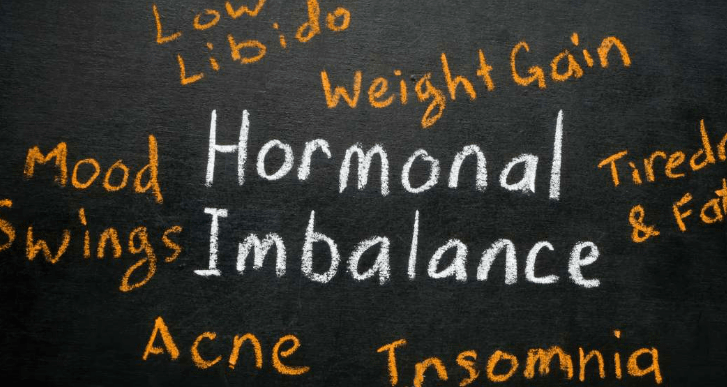
✅ Symptoms of Hormonal Imbalance
Hormonal imbalance affects everyone differently, but common symptoms include:
Women
- Irregular or painful periods
- Acne and excessive hair growth
- Weight gain (especially belly fat)
- Mood swings, depression, anxiety
- Hair loss
- Fatigue and low energy
- Infertility and low libido
- Hot flashes and night sweats (menopause)
Men
- Erectile dysfunction
- Low testosterone
- Loss of muscle mass
- Low energy and motivation
- Hair thinning
- Irritability or mood changes
Common in Both
- Sleep disorders
- Digestive issues
- Unexplained weight changes
- Persistent stress and tiredness
✅ Therapy and Treatment for Hormonal Imbalance
Treating a hormonal imbalance depends on its cause. A combination of medical therapy, diet changes, supplements, and lifestyle improvements is usually effective.
1. Medical/Hormone Therapy
Doctors may recommend:
✅ HRT (Hormone Replacement Therapy)
Used to balance estrogen, progesterone, or testosterone—often helpful in menopause or andropause.
✅ Thyroid Medication
Prescribed for hypo/hyperthyroidism to normalize hormone levels.
✅ Insulin Management
For diabetes or insulin resistance through medication and diet control.
✅ Birth Control Pills
Sometimes prescribed to regulate menstrual cycles or PCOS symptoms.
✅ Corticosteroids for adrenal disorders
⚠ Always taken under medical supervision with blood tests and hormone screenings.
2. Natural & Alternative Therapies
Many patients prefer lifestyle-based interventions, which can significantly improve hormone balance:
✅ Balanced Diet
- Reduce sugar, junk food, and processed items
- Add fiber-rich greens, omega-3, proteins, whole grains
- Include seeds like flaxseed, pumpkin, sesame (popular in seed cycling)
✅ Exercise
- Strength training, yoga, walking, pilates
- Helps insulin sensitivity, mood, and weight control
✅ Sleep Regulation
- 7–8 hours daily reduces cortisol and improves hormonal recovery
✅ Stress Management
- Meditation, deep breathing, hobbies, journaling
✅ Natural Supplements
- Vitamin D, B12, magnesium, omega-3
- Ashwagandha, maca, evening primrose oil (based on doctor’s advice)
3. Cognitive & Psychological Therapy
Hormonal imbalance often causes mood swings, anxiety, irritability, or depression.
Therapies like CBT (Cognitive Behavioral Therapy), counselling, and mindfulness exercises help regulate mental well-being and improve daily functioning.
✅ Lifestyle Tips to Maintain Hormonal Balance
- Avoid excessive sugar and caffeine
- Drink enough water
- Try to avoid plastics and chemical toxins
- Don’t skip breakfast or stay hungry for long periods
- Practice regular physical activity
- Ensure gut health with probiotics and fiber
- Maintain a healthy body weight gradually
✅ When to See a Doctor
Seek medical help if you experience:
- Irregular cycles for more than 3 months
- Sudden weight gain or loss
- Severe acne or hair growth
- Extreme mood swings
- Persistent tiredness or sleep issues
- Infertility or sexual health concerns
Early diagnosis prevents long-term complications like infertility, diabetes, thyroid problems, or heart risk.
✅ Conclusion
Hormonal imbalance is not something to ignore—it affects overall health, mood, and quality of life. Fortunately, with proper diagnosis, medical treatment, lifestyle changes, and therapy, hormones can return to a healthy range. Whether caused by stress, PCOS, menopause, thyroid disorders, or daily habits, understanding the symptoms and seeking timely treatment can help individuals regain balance, confidence, and energy.