

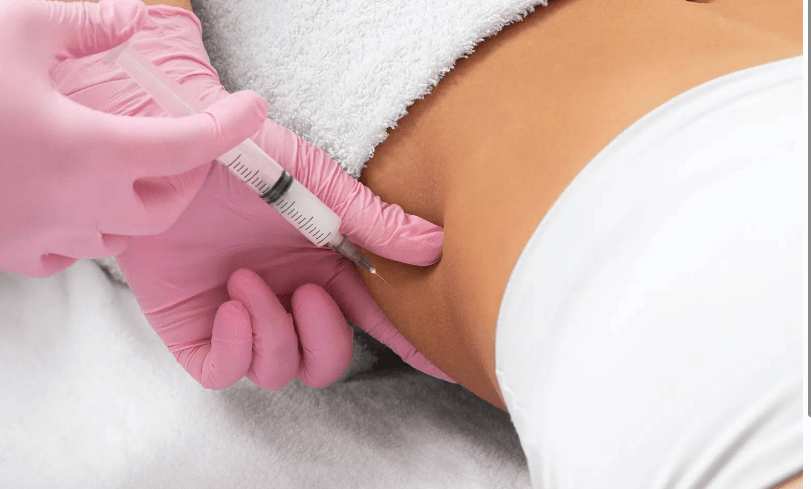
Fat Surgery and Its Consequences: What You Need to Know
In recent years, fat surgery, often referred to as liposuction or body contouring, has become increasingly popular among individuals seeking quick solutions for body fat reduction. While it can deliver immediate aesthetic results, it’s crucial to understand that fat surgery is not a cure for obesity or a substitute for a healthy lifestyle. Like any surgical procedure, it comes with benefits, limitations, and potential risks.
What is Fat Surgery?
Fat surgery includes various procedures that remove or redistribute fat from the body. The most common forms include:
- Liposuction – surgical removal of fat deposits through suction.
- Liposculpture – a more refined version focused on shaping the body.
- Fat Transfer or Grafting – removing fat from one part of the body and injecting it into another (e.g., face, breasts, buttocks).
- CoolSculpting (Non-surgical) – freezing and breaking down fat cells without surgery.
Benefits of Fat Surgery
- Immediate Aesthetic Improvement
Fat surgery provides quick body reshaping, particularly in areas resistant to diet and exercise. - Enhanced Confidence
Many patients experience improved self-esteem and body image post-surgery. - Targeted Fat Removal
Surgeons can sculpt specific body parts like the abdomen, thighs, arms, or chin with precision.
Consequences and Risks
Despite its benefits, fat surgery carries several potential consequences:
1. Health Risks and Complications
- Infection
- Bleeding or Hematoma
- Fat Embolism (fat enters the bloodstream and blocks blood vessels)
- Anesthesia risks
2. Irregular Body Contours
Improper fat removal may lead to:
- Lumps or uneven skin texture
- Skin sagging or wrinkling
- Asymmetry
3. Temporary Results
Without lifestyle changes, fat can return, possibly in other areas of the body.
4. Scarring and Skin Sensitivity
Small scars and prolonged sensitivity or numbness in the treated area are possible.
5. Psychological Effects
Unrealistic expectations may lead to dissatisfaction, anxiety, or depression post-surgery.
Post-Surgery Care and Lifestyle
Fat surgery should be considered the beginning of a healthier lifestyle, not an end. Post-operative care includes:
- Wearing compression garments
- Avoiding strenuous activities for a few weeks
- Maintaining a balanced diet and exercise regimen to preserve results
Is Fat Surgery Right for You?
Fat surgery is best suited for:
- Individuals close to their ideal weight
- Those with localized fat deposits
- People in good overall health
It is not recommended for:
- Treating obesity
- Replacing exercise or diet
- Individuals with certain health conditions like heart disease or diabetes
Conclusion
Fat surgery can be an effective cosmetic enhancement when approached responsibly. However, it is essential to weigh the pros and cons and consult with a certified surgeon. Ultimately, lasting health and body satisfaction come not just from surgery, but from sustainable habits and a positive self-image.
If you’re considering fat surgery, make informed decisions—your body and well-being deserve it.