

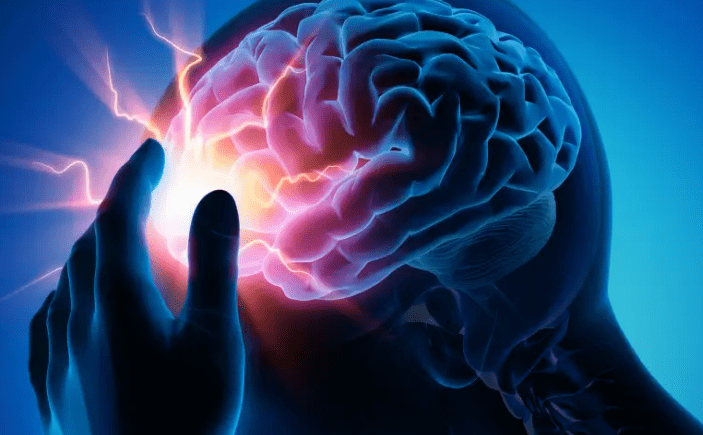
Brain Blockages: Causes and Understanding the Risks
A brain blockage, often referred to as a cerebrovascular obstruction, occurs when the blood flow to a part of the brain is interrupted or severely reduced. This deprives brain tissues of oxygen and essential nutrients, leading to cell damage or death. Such blockages are a primary cause of strokes, transient ischemic attacks (TIAs), and other neurological complications. Understanding the causes behind these blockages can help with early prevention and treatment.
1. What is a Brain Blockage?
A brain blockage is most commonly caused by a clot (thrombus or embolus) or a narrowing (stenosis) in the blood vessels supplying the brain. These obstructions prevent blood from reaching certain brain areas, leading to ischemia (restricted blood supply). In severe cases, this can result in permanent brain damage, paralysis, or even death.
There are two main types of brain blockages:
- Ischemic blockages: Caused by blood clots or fatty deposits that narrow or block arteries.
- Hemorrhagic blockages (less common): Occur due to ruptured blood vessels leading to bleeding and secondary blockage.
2. Common Causes of Brain Blockages
A. Atherosclerosis (Plaque Buildup)
One of the leading causes, atherosclerosis occurs when fatty deposits (cholesterol, calcium, and other substances) build up inside the arteries, narrowing them and reducing blood flow. Over time, these plaques can rupture, triggering clot formation that blocks the brain’s arteries.
B. Blood Clots (Thrombus and Embolus)
Blood clots can form in the brain’s blood vessels (thrombus) or travel from another part of the body (embolus), such as from the heart (common in people with atrial fibrillation). These clots block or reduce blood flow to brain tissues.
C. High Blood Pressure (Hypertension)
Chronic hypertension damages the inner lining of arteries, making them more susceptible to narrowing, plaque buildup, or rupture, significantly increasing the risk of brain blockages.
D. High Cholesterol
Elevated levels of LDL (“bad” cholesterol) lead to plaque formation and arterial narrowing, which eventually restricts or obstructs blood flow.
E. Diabetes
Diabetes accelerates the development of atherosclerosis and damages blood vessels, making blockages more likely.
F. Heart Disorders
Conditions like atrial fibrillation, heart valve disease, or heart failure can lead to the formation of blood clots that may travel to the brain.
G. Smoking and Alcohol Use
Smoking damages blood vessel walls, promotes plaque buildup, and increases the tendency of blood to clot. Excessive alcohol consumption contributes to high blood pressure and arterial damage.
H. Sedentary Lifestyle and Obesity
Lack of exercise and excess weight contribute to high cholesterol, diabetes, and hypertension, all of which raise the risk of brain blockages.
I. Genetic and Family History
A family history of strokes, cardiovascular diseases, or high cholesterol increases the risk of developing brain blockages due to inherited traits and shared lifestyle factors.
3. Symptoms of a Brain Blockage
While symptoms vary depending on the severity and location of the blockage, some common signs include:
- Sudden weakness or numbness on one side of the body.
- Difficulty speaking or understanding speech.
- Loss of vision in one or both eyes.
- Sudden, severe headache.
- Dizziness, loss of balance, or coordination.
4. Prevention and Risk Management
Preventing brain blockages largely revolves around controlling modifiable risk factors:
- Maintain healthy blood pressure and cholesterol levels through diet, exercise, and medication if needed.
- Manage diabetes by controlling blood sugar levels.
- Quit smoking and limit alcohol intake.
- Adopt a balanced diet rich in fruits, vegetables, whole grains, and lean proteins.
- Stay active with regular physical activity.
- Monitor heart health with regular checkups, especially if you have heart conditions.
Conclusion
Brain blockages are a serious medical issue, often leading to strokes and long-term neurological damage if not addressed promptly. Most causes, including high cholesterol, hypertension, smoking, and sedentary lifestyles, can be managed through lifestyle changes and medical interventions. Early detection and preventive care are crucial for reducing the risk of blockages and preserving brain health.